 Apparel and workwear
 Building supplies
 Medical supplies
 Fitness equipment
 Energy and power
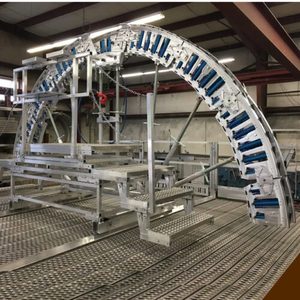 Industrial equipment
 Livestock supplies
 Mining supplies
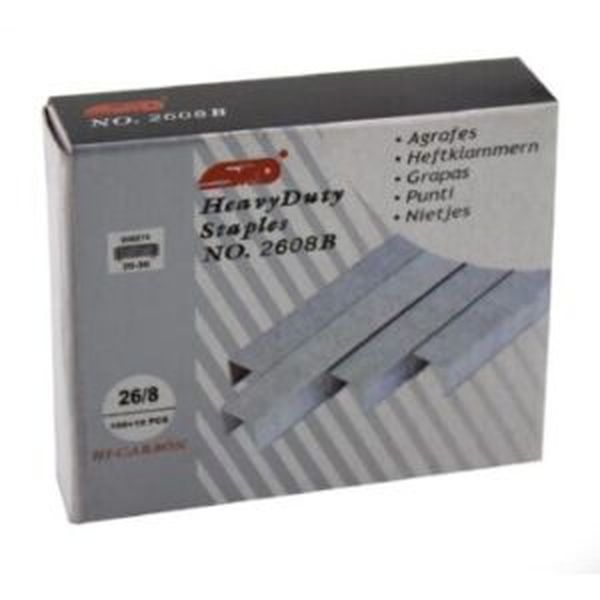 Stationery supplies
 Events and catering equipment
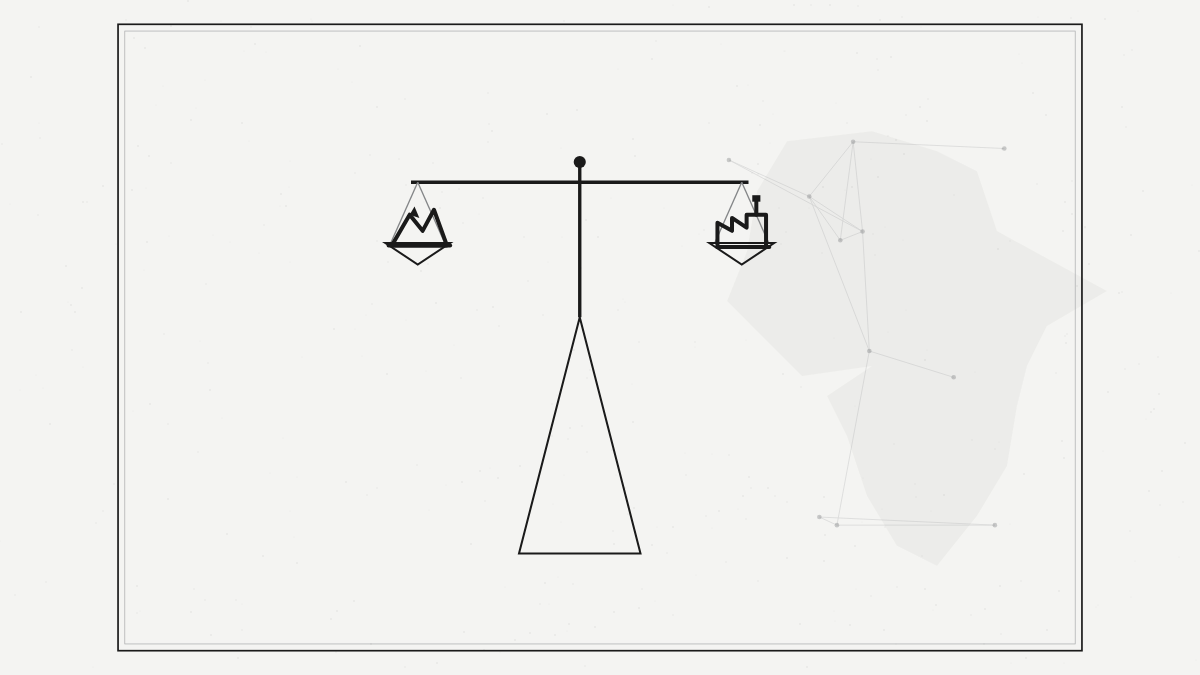
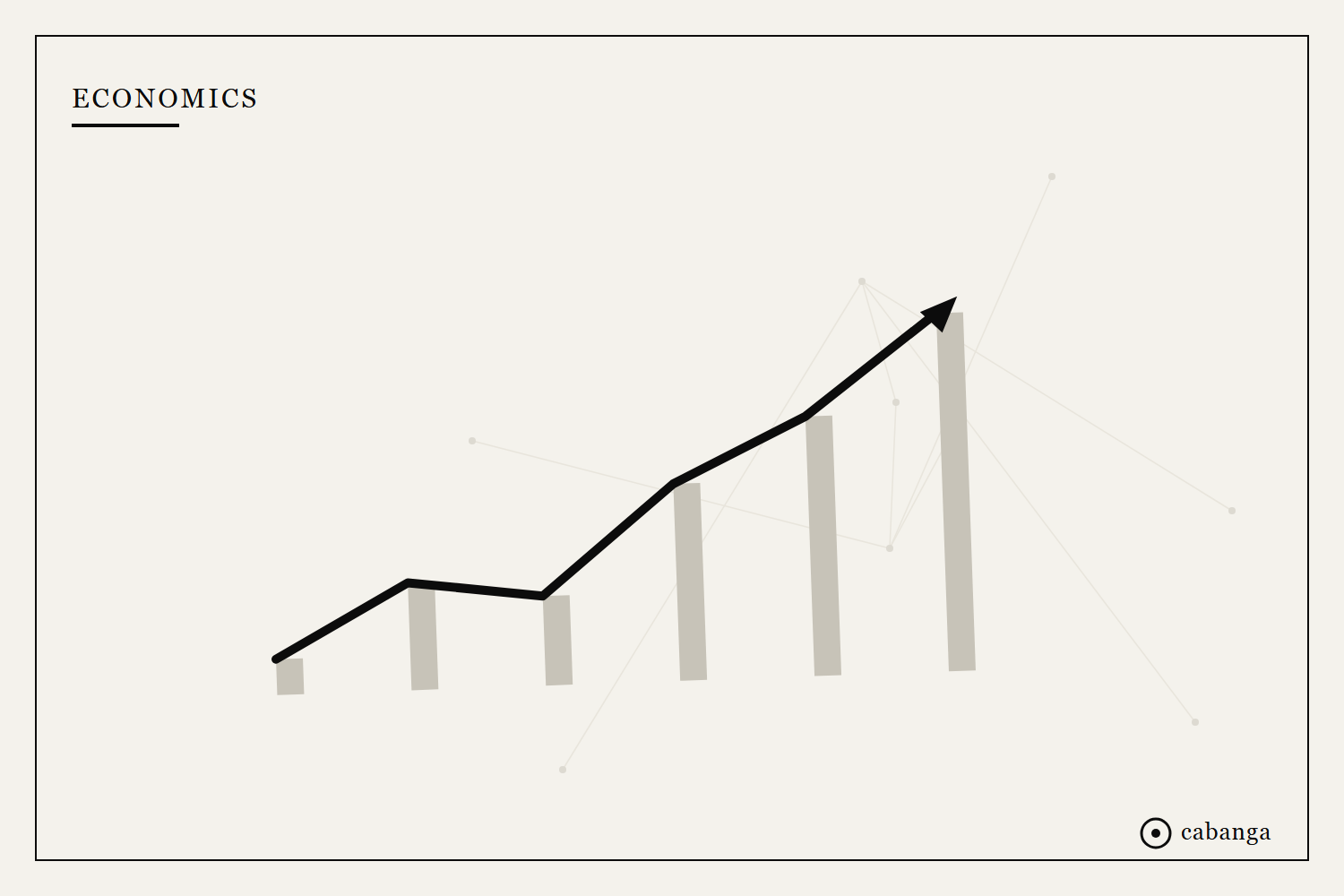
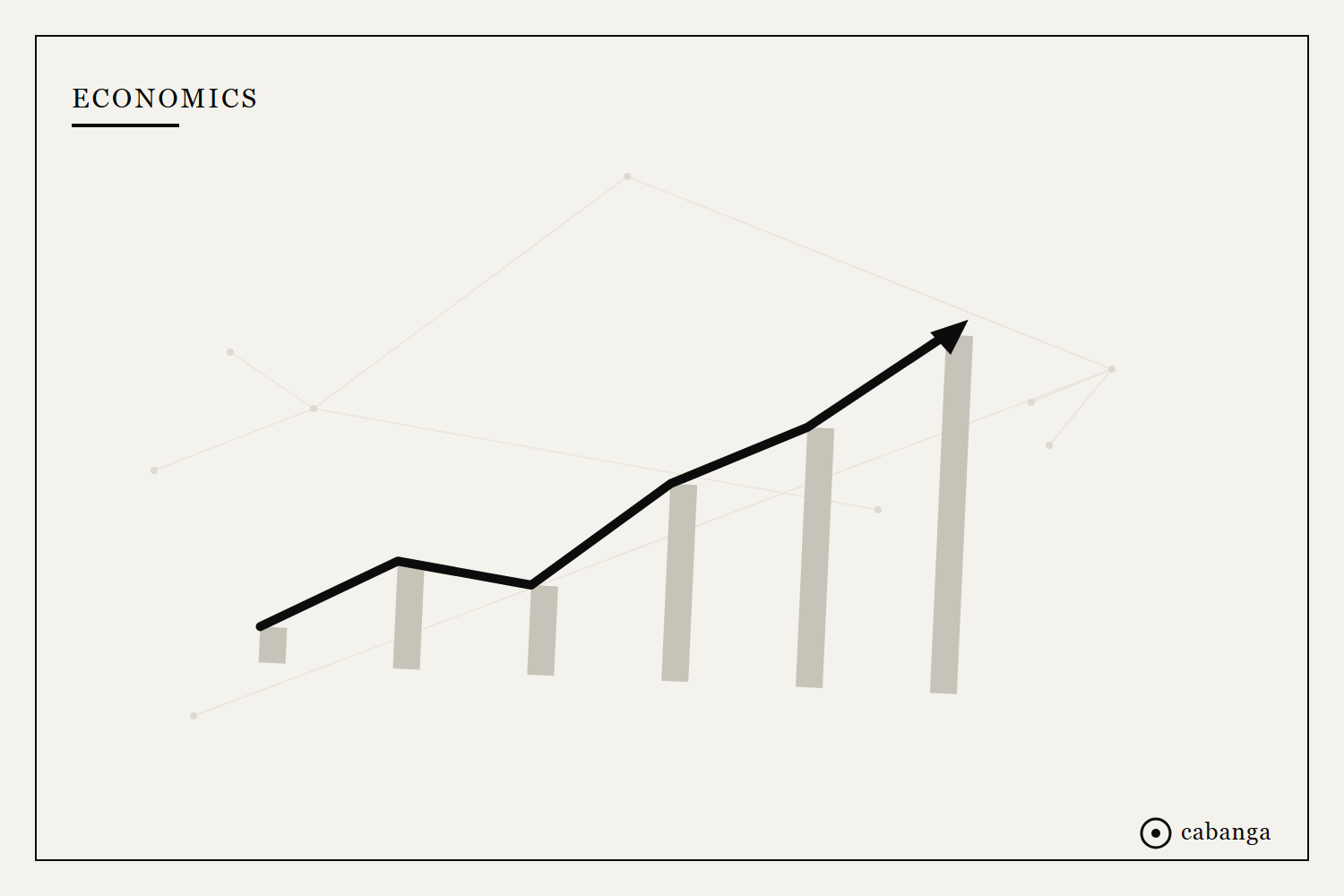
A construction budget in Botswana is signed at one price and built at another, and the gap is where projects stall. The Construction Cost Barometer is a report built to close that distance. It tracks cement, steel, fuel and finance costs on a recurring basis, so a developer in Gaborone or a contractor in Palapye can read the cost of building before the foundation is poured. The barometer treats a budget as a forecast that must survive contact with moving prices, and gives the operator the prices that move it.
It sits against a moment of movement in the wider economy. In April 2026, Botswana signed energy and mineral exploration deals with Oman, the kind of activity that, over time, feeds demand for steel, cement and skilled building capacity. New energy and mineral projects are also construction projects, and the barometer reads that connection rather than treating the deal as distant news.
Four Costs That Decide a Project
Cement, steel, fuel and finance are the load-bearing inputs of any build, and the barometer keeps them in one view because they move together more often than not. Fuel raises the cost of haulage and of every machine on site; finance sets the cost of carrying the project to completion. For a landlocked market that imports much of its steel and cement, freight sits inside each of those numbers, which is why a local barometer differs from a global one.
This is the first part of the article. The full article is on Cabanga Magazine, from the publishers of the regional business magazines in Africa.
Read the full article on Cabanga Magazine