 Apparel and workwear
 Building supplies
 Medical supplies
 Fitness equipment
 Energy and power
 Industrial equipment
 Livestock supplies
 Mining supplies
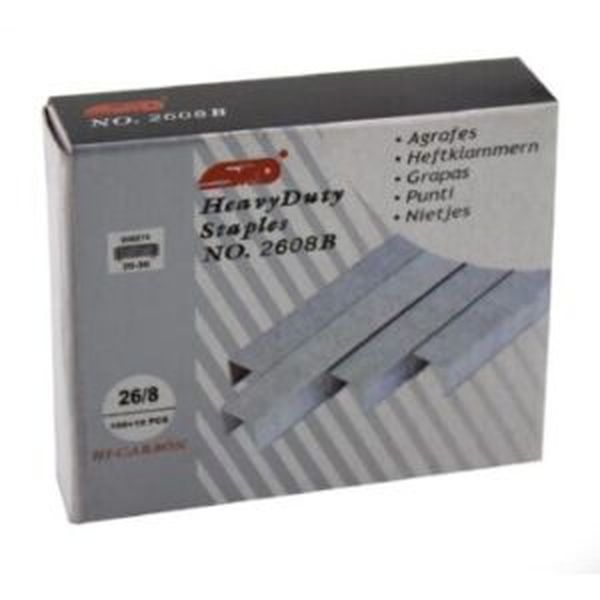 Stationery supplies
 Events and catering equipment
Food security debates in Botswana usually circle around rainfall and imports. They rarely reach fertiliser, yet the risk to fertiliser supply threatening African food systems sits upstream of both. Before a crop fails for want of water, it can fail for want of the inputs that make thin soils productive - and those inputs have to be bought, shipped and financed long before harvest.
For a country that imports much of what it eats, a disruption to the fertiliser that grows food across the region is not a distant agricultural story. It is a price-and-availability story that reaches the shelf, and it reaches it twice over - once through Botswana's own farmers and once through the neighbours who supply its tables.
The Hidden Input Behind the Food Bill:
Fertiliser is the unseen step between soil and supper. When its supply is squeezed, the effect arrives twice - first as scarcer or dearer inputs for farmers, then, months later, as tighter and costlier food. Botswana feels both ends: as a buyer of fertiliser for its own limited production, and as an importer of food grown by neighbours who face the same squeeze.
This is the first part of the article. The full article is on Cabanga Magazine, from the publishers of the regional business magazines in Africa.
Read the full article on Cabanga Magazine