 Apparel and workwear
 Building supplies
 Medical supplies
 Fitness equipment
 Energy and power
 Industrial equipment
 Livestock supplies
 Mining supplies
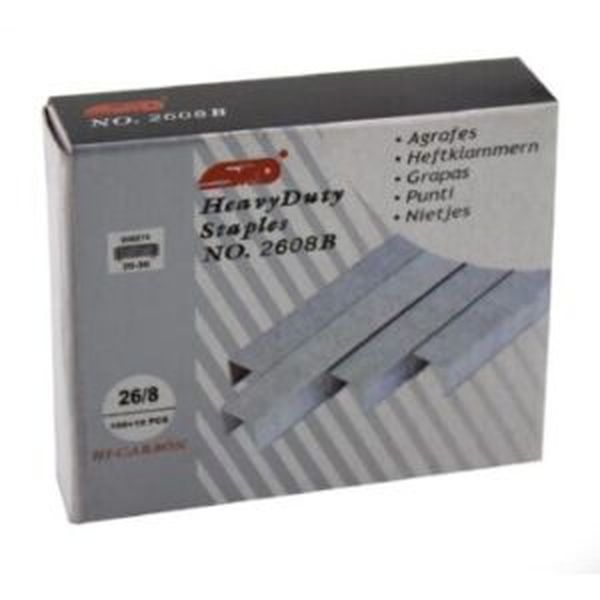 Stationery supplies
 Events and catering equipment
A shopper in Lusaka ordering imported hardware, appliances or packaged food from a South African retailer rarely thinks about customs bonds. What she notices is price, delivery time and whether the item is in stock at all. Yet every one of those consumer-facing outcomes is shaped upstream by exactly the kind of friction the Southern African Development Community is now trying to remove along its busiest trade corridor: the multiple, duplicated bonds that traders and carriers must post to move goods legally across the seven borders between Durban and the Copperbelt.
SADC is piloting and rolling out a Regional Customs Transit Guarantee (RCTG) along the North-South Corridor, a mechanism aimed at letting a single guarantee accompany goods in transit across Botswana, South Africa, Zimbabwe, Zambia, Mozambique, Malawi and the Democratic Republic of Congo. The contradiction worth sitting with is this: regional consumers have been promised, through years of SADC integration rhetoric, a bigger and cheaper regional marketplace, while day-to-day shopping in most member states still reflects the cost structure of seven separate national markets stitched together loosely at the borders. Whether this pilot narrows that gap, or simply improves conditions for large-volume industrial cargo while leaving consumer goods untouched, is the question this piece tests.
What Actually Reaches the Shopper
Transit guarantees are not consumer products; they are wholesale-level instruments used by importers, distributors and freight forwarders moving bulk consignments. Whether a faster, cheaper transit regime for a wholesaler translates into a cheaper product on a retail shelf depends on a chain of pass-through decisions that have nothing to do with customs policy: retailer margins, competitive intensity in each national market, and whether the savings are large enough, relative to total landed cost, to matter at the cash register.
This is the first part of the article. The full article is on Cabanga Magazine, from the publishers of the regional business magazines in Africa.
Read the full article on Cabanga Magazine