 Apparel and workwear
 Building supplies
 Medical supplies
 Fitness equipment
 Energy and power
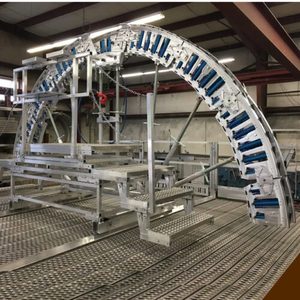 Industrial equipment
 Livestock supplies
 Mining supplies
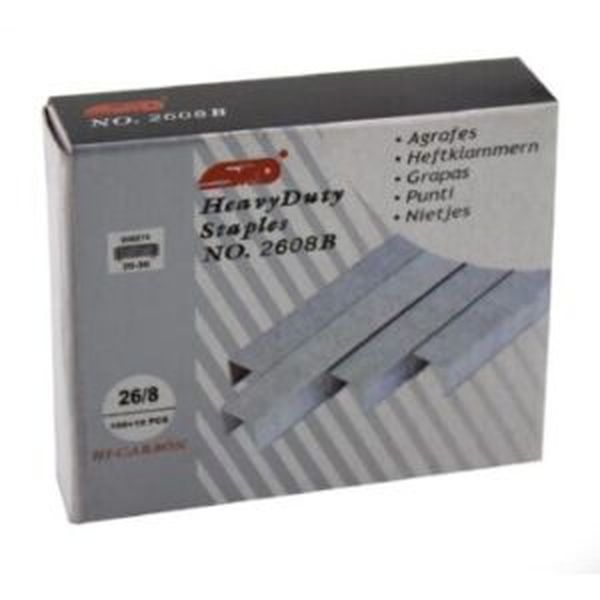 Stationery supplies
 Events and catering equipment
Economists watch the obvious gauges: the inflation print, the unemployment release, the trade balance. They rarely watch the queue at Beitbridge. Yet under conditions of fear-driven movement and enforcement surges, the length of a border queue can carry information the headline series miss.
South Africa’s land borders are the arteries of regional commerce. When anti-migrant tension rises, those arteries narrow from two directions at once: departures accelerate as foreign nationals move to leave, and enforcement intensifies as authorities respond. As AP has documented in its reporting on the unrest, the human story is the front page. The freight story sits behind it, and it is measurable.
The Corridor Under Pressure: Two Flows, One Chokepoint
A border post processes two distinct flows through largely shared infrastructure: goods and people. Commercial trucks moving South African manufactures north, and mineral and agricultural inputs south, share lanes, staff and scanning capacity with passenger traffic. When passenger volumes spike or enforcement tightens, the goods flow does not run on a separate track. It waits.
This is the first part of the article. The full article is on Cabanga Magazine, from the publishers of the regional business magazines in Africa.
Read the full article on Cabanga Magazine