 Apparel and workwear
 Building supplies
 Medical supplies
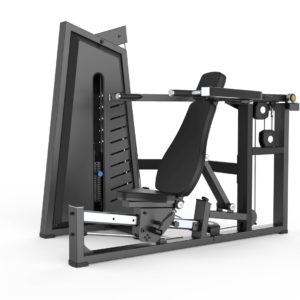 Fitness equipment
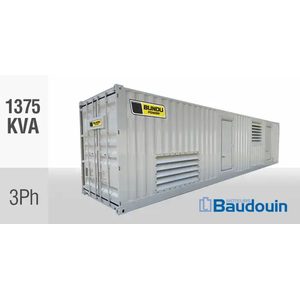 Energy and power
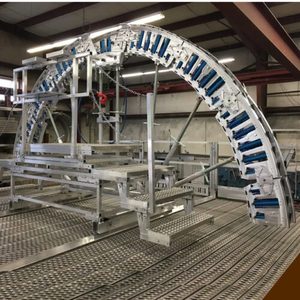 Industrial equipment
 Livestock supplies
 Mining supplies
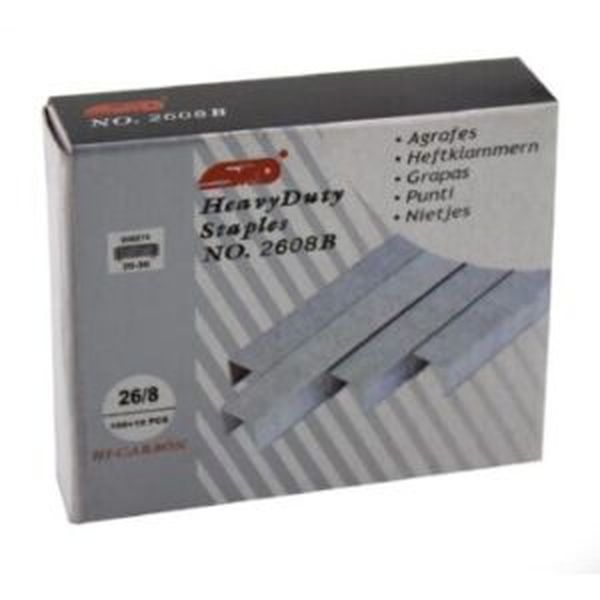 Stationery supplies
 Events and catering equipment

Namibia’s selection of TotalEnergies as the sole bulk supplier of petrol and diesel for the three months from November 2026 through January 2027 looks like an ordinary procurement result, but the economics are broader. A country that imports much of its refined fuel is buying not only product but continuity. Tender design therefore becomes part of energy security because price, supplier capacity, shipping schedules, storage access and working capital all have to align before fuel reaches service stations and industrial users.
The latest round drew bids from four companies, while state-owned Namcor did not participate and emerging distributor Nasan Energies used the process to signal its ambition to scale. That mix matters. A competitive tender can discipline margins and expose new suppliers to national-scale procurement, but awarding the full requirement to one bidder also concentrates short-term execution risk. The winning company has to perform across import logistics, delivery schedules, quality control and coordination with storage and distribution infrastructure for the contract period.
The mechanism is relatively simple. Namibia estimates the volume of fuel required, invites qualified suppliers to bid, evaluates price and delivery terms, and then relies on the winning supplier to bring product into the country on schedule. The complexity sits behind that sequence. International fuel prices can move between tender and delivery, exchange rates affect import costs, shipping disruptions can change arrival times, and port or storage constraints can delay distribution even when the product has been purchased. Procurement quality is therefore inseparable from operational resilience.
This is the first part of the article. The full article is on Cabanga Magazine, from the publishers of the regional business magazines in Africa.
Read the full article on Cabanga Magazine