 Apparel and workwear
 Building supplies
 Medical supplies
 Fitness equipment
 Energy and power
 Industrial equipment
 Livestock supplies
 Mining supplies
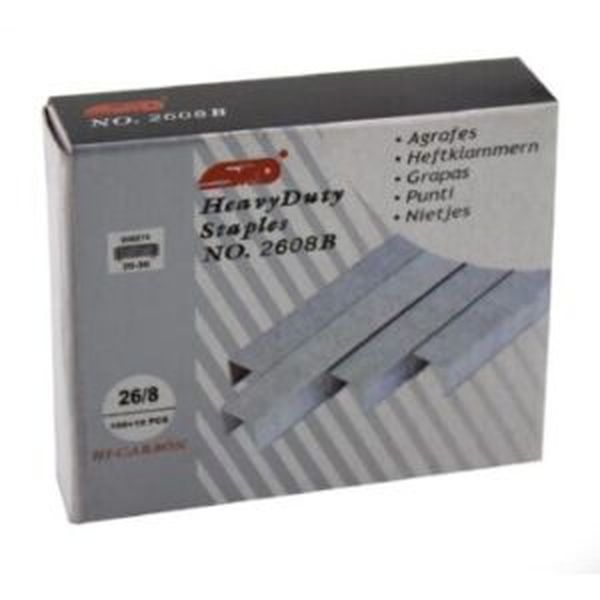 Stationery supplies
 Events and catering equipment

The cleaning economy is usually described as labour - the person who arrives to clean a house or an office. But every one of those jobs consumes something: detergent, floor cleaner, bleach, dishwashing liquid, disinfectant. That demand does not have to be met by a multinational bottling plant. In Gauteng, a provincial programme has spent the past year proving that township manufacturers can make and sell those products at a standard shops will stock, which turns cleaning from a source of work into a source of industry.
The evidence comes from the province's Chemical Support Programme, run under a partnership model with the Gibela Business Incubator and reported by BusinessTech in early 2026. Funded to support twenty-five small manufacturers in the chemicals, cosmetics and cleaning-products value chain, it ended up backing twenty-eight. Between them the businesses created twenty-five new jobs, sustained thirteen more and generated over R2.6 million in revenue through better access to formal markets. "We were funded to support 25 SMMEs, and we exceeded that target by supporting 28," said Gibela chief executive Justine Mogashoa, who put the results down to the growth waiting inside township manufacturing once structured support is applied.
The programme is deliberately structured. It groups chemicals, cosmetics and cleaning products together because they share the same route to market - a formulation, a bottle, a label, a barcode and a buyer - and it works through an incubator rather than a grant so that the money buys capability rather than stock. That distinction matters: a once-off cash injection buys a batch of product, while sustained technical support buys the ability to make the next batch, and the one after that, to a standard a shop will accept.
This is the first part of the article. The full article is on Cabanga Magazine, from the publishers of the regional business magazines in Africa.
Read the full article on Cabanga Magazine