 Apparel and workwear
 Building supplies
 Medical supplies
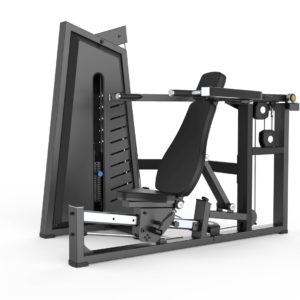 Fitness equipment
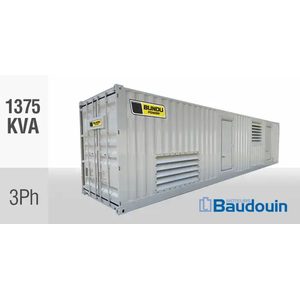 Energy and power
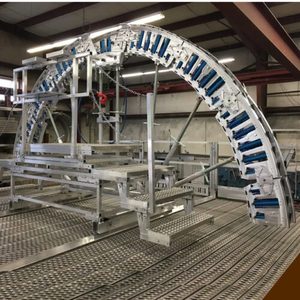 Industrial equipment
 Livestock supplies
 Mining supplies
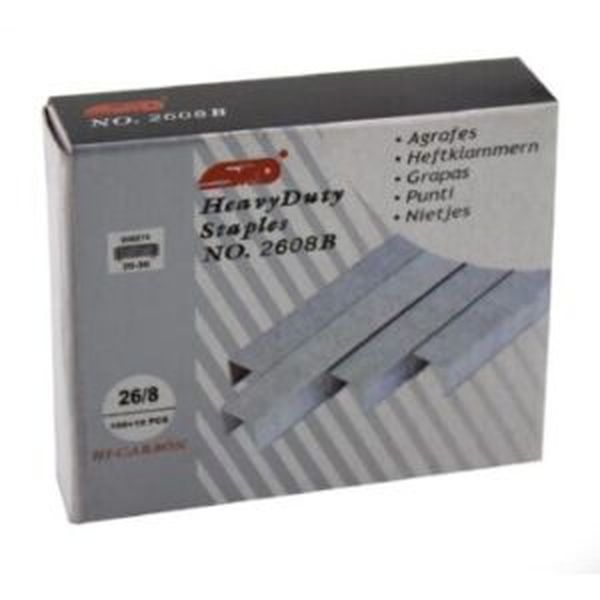 Stationery supplies
 Events and catering equipment
A safari lodge sells stillness and space, but its margins are written on the back of a fuel receipt and a grocery invoice. The room rate at a camp in the Okavango or near Kasane is the part guests see; the part that decides whether the camp clears a profit is the cost of getting food, diesel and gas to it, often along an unpaved track and into a kitchen with no grid behind it. When global food and fuel prices move, the floor under a lodge's margin moves with them, and the operator finds out months before the guest ever does.
This is the first part of the article. The full article is on Cabanga Magazine, from the publishers of the regional business magazines in Africa.
Read the full article on Cabanga Magazine