 Apparel and workwear
 Building supplies
 Medical supplies
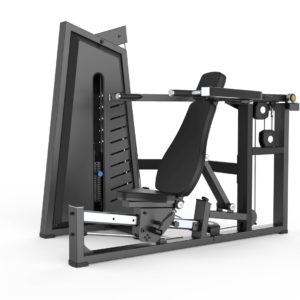 Fitness equipment
 Energy and power
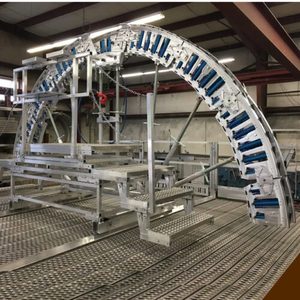 Industrial equipment
 Livestock supplies
 Mining supplies
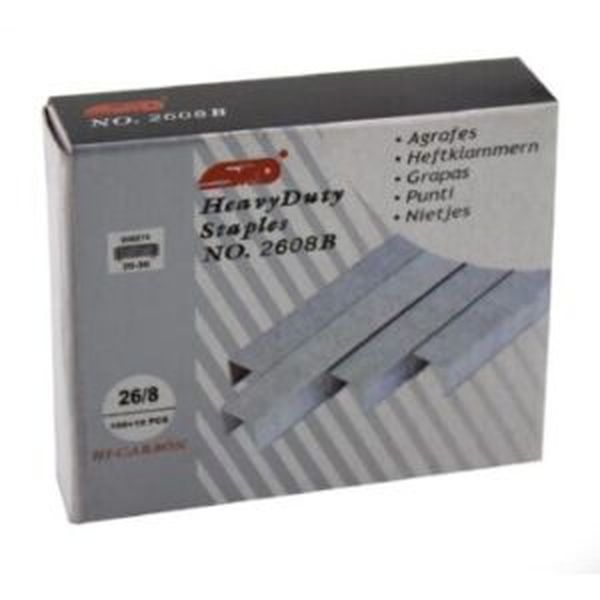 Stationery supplies
 Events and catering equipment
African economies trade more with the rest of the world than with each other, a pattern AfCFTA was designed to break. A May 2026 visit to Botswana by Rwanda's President Paul Kagame is a small move against that grain, producing agreements on double-tax avoidance, visa-free travel and investment cooperation between two of the continent's more disciplined economies.
The three instruments are unglamorous and exactly the point. They do not announce a flagship project; they lower the standing frictions that keep firms and people from moving between the two countries. Taken together they read as plumbing rather than spectacle - and plumbing is what cross-border trade actually runs on. Most intra-African commerce founders not on tariffs but on exactly these frictions: double taxation, visa cost and uncertainty over how a host treats foreign capital.
The Substance: Removing Frictions, Not Cutting Ribbons
A double-tax avoidance agreement means a company is not taxed twice on the same income across both jurisdictions, removing a real deterrent to investing across the border and clarifying where profits are booked. Visa-free travel lets executives, traders and tourists move without the cost and delay of permits, which compounds over the many trips a real commercial relationship requires. Investment cooperation signals each side will treat the other's capital as welcome and protected. None of these makes headlines; all of them change the arithmetic for a business deciding whether to operate in both markets.
This is the first part of the article. The full article is on Cabanga Magazine, from the publishers of the regional business magazines in Africa.
Read the full article on Cabanga Magazine