 Apparel and workwear
 Building supplies
 Medical supplies
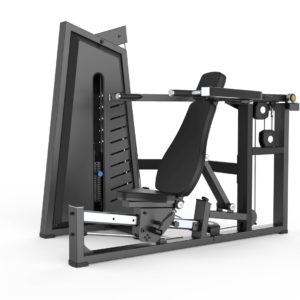 Fitness equipment
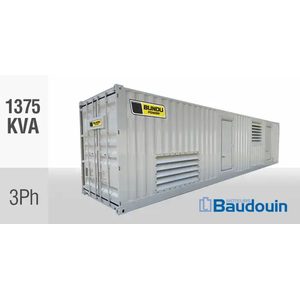 Energy and power
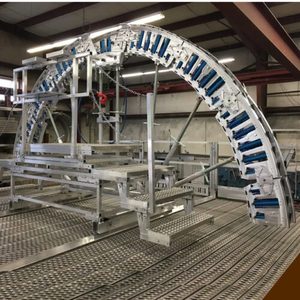 Industrial equipment
 Livestock supplies
 Mining supplies
 Stationery supplies
 Events and catering equipment
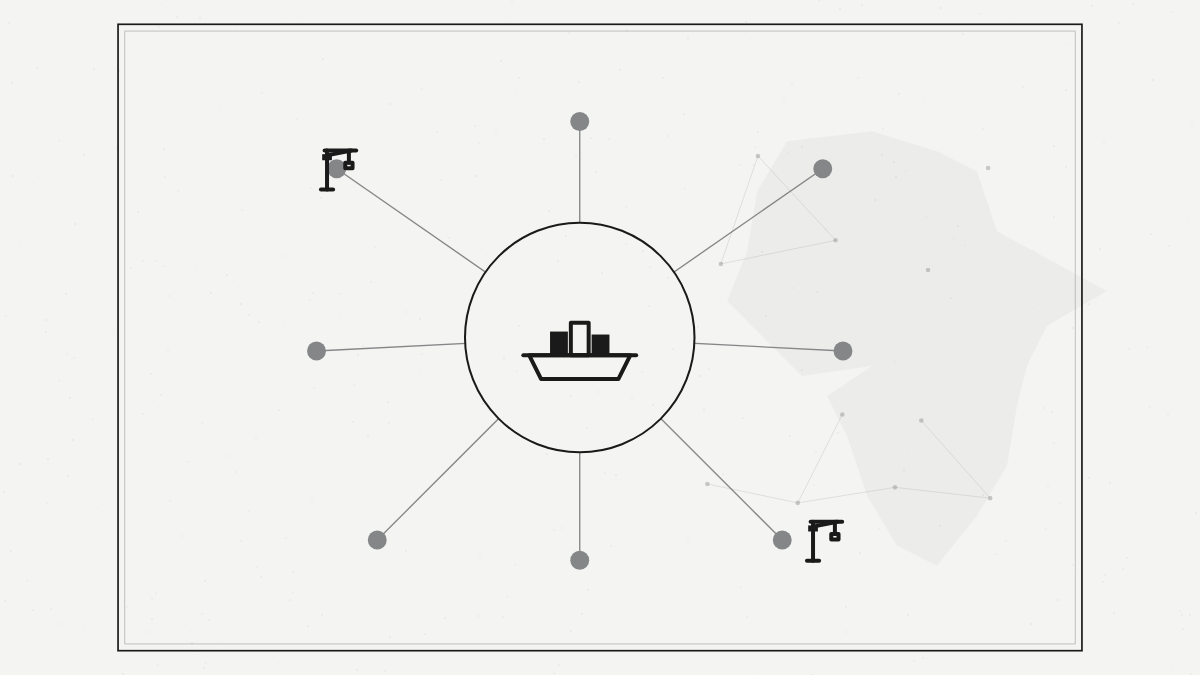
A border is not just a line on a map; it is a chokepoint where value collects. With world trade rising in April in a fresh sign of resilience, the property consequence for a landlocked economy is specific: regional trade resilience increases the value of border logistics property. Every consignment moving into and out of Botswana passes through a border, and the depots, yards and handling facilities clustered there capture a share of that movement. The more durable the trade, the more valuable the property that sits on the line.
For a country whose goods reach the world by crossing other countries, borders are strategic real estate. They are where customs clears, where loads transfer, where goods wait. Resilient trade means more passing through those points, and that throughput is what gives border logistics property its worth. The trade figure, read for property, is a revaluation of the ground around Botswana's crossings.
Why the Border Is Where Logistics Value Concentrates
Trade does not move in a continuous stream; it pauses at the border to be cleared, inspected and transferred. Those pauses create demand for handling, storage and the facilities that manage them - bonded warehousing, transfer yards, parking for waiting freight. The property at and near a crossing therefore earns its value from the friction of the border itself, and resilient trade increases the volume passing through that friction. More throughput, more demand for the property that handles it.
This is the first part of the article. The full article is on Cabanga Magazine, from the publishers of the regional business magazines in Africa.
Read the full article on Cabanga Magazine