
 Apparel and workwear
 Building supplies
 Medical supplies
 Fitness equipment
 Energy and power
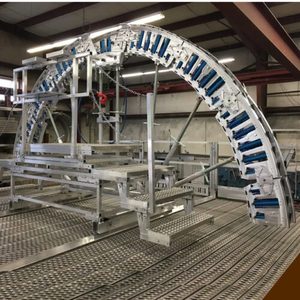 Industrial equipment
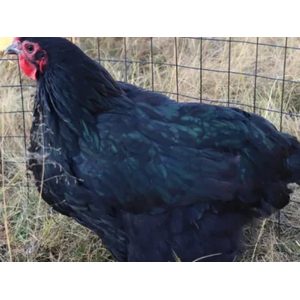 Livestock supplies
 Mining supplies
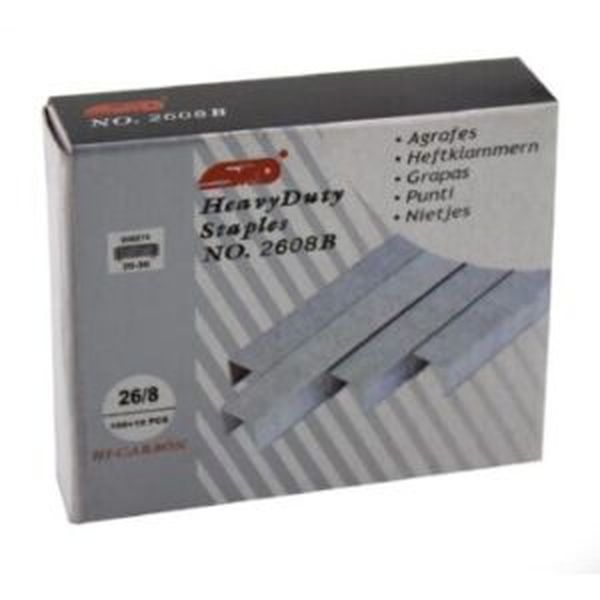 Stationery supplies
 Events and catering equipment

Read the China-Africa summit communiques in sequence and agriculture returns like a chorus: experts dispatched, demonstration centres built, villages modernised, yields raised. That consistency can signal commitment - a priority held steady over twenty years. It can equally signal a target that keeps being re-announced because it keeps being missed. The same pledge, summit after summit, invites both readings, and the honest answer lies in the gap between promise and harvest.
The Headline: a Pledge Restated Across Two Decades
At the 2006 FOCAC, China committed to dispatching 100 agricultural scientists and building ten demonstration centres. Nearly two decades on, the 2024 Beijing Action Plan again pledges 500 agricultural experts, 10 demonstration centres built or upgraded, 100 demonstration villages, 1,000 leaders trained in agricultural development, and 100,000 mu - about 6,667 hectares - of standardised demonstration zones. A US$20 billion target for African agricultural exports to China by 2030 anchors the package.
The numbers are specific and the intent is plain. Agriculture is one of the few sectors where China both wants African supply, to diversify its own food imports away from a handful of large exporters, and wants African goodwill, which farm projects buy cheaply and visibly in rural constituencies. That alignment is why the chorus keeps returning to the same verse - the interests on both sides are stable enough that the pledge can be reissued almost verbatim from one summit to the next.
This is the first part of the article. The full article is on Cabanga Magazine, from the publishers of the regional business magazines in Africa.
Read the full article on Cabanga Magazine