
 Apparel and workwear
 Building supplies
 Medical supplies
 Fitness equipment
 Energy and power
 Industrial equipment
 Livestock supplies
 Mining supplies
 Stationery supplies
 Events and catering equipment
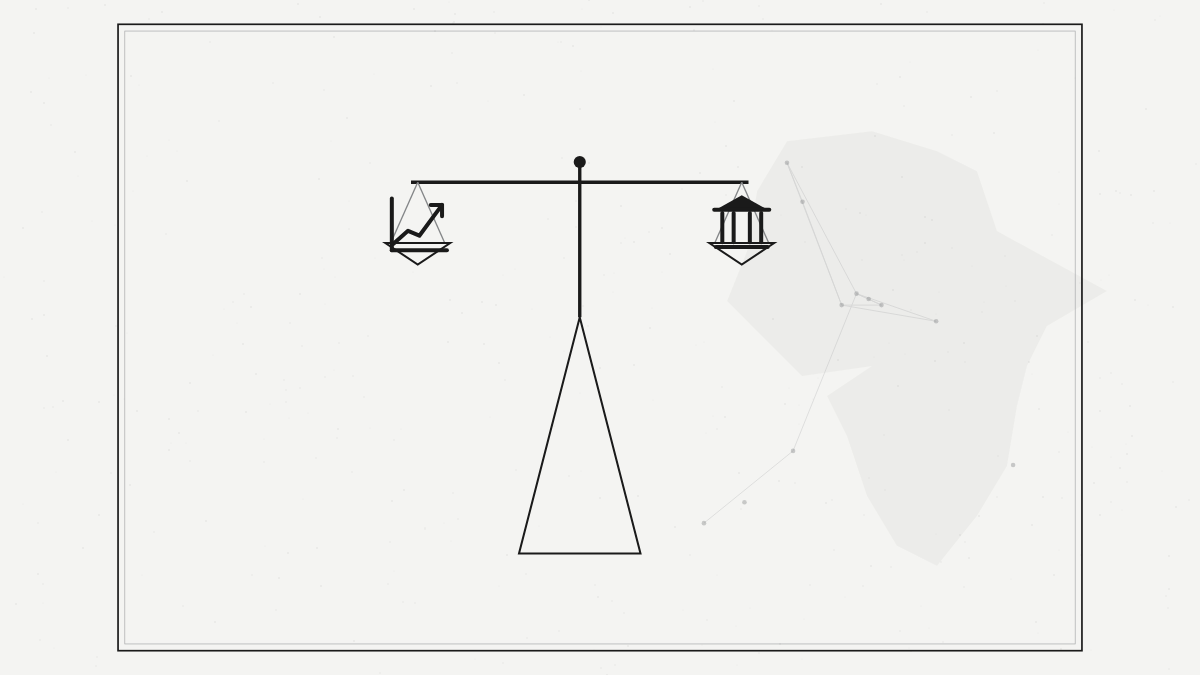
Botswana produces no oil, yet every litre it burns ties the national budget to events far outside its control. The sharp moves in oil prices during recent Middle East supply disruptions are a plain illustration of that exposure - and a prompt to treat price volatility as a planning problem rather than a passing headline.
When crude moves abruptly, the cost of importing fuel into a landlocked economy moves with it, and so do transport, logistics and the price of nearly everything that travels by road. The shock starts at a distant wellhead and finishes at a Gaborone forecourt and on a Francistown freight invoice.
The Cost of a Price That Will Not Sit Still:
Volatility, not the level itself, is what wrecks a budget. A government and a business can plan around expensive fuel if they know it will stay expensive. What they cannot easily absorb is a price that lurches, because every lurch forces a fresh round of guesswork on subsidies, transport contracts and household costs. For Botswana, where fuel is imported and freight distances are long, that uncertainty compounds.
This is the first part of the article. The full article is on Cabanga Magazine, from the publishers of the regional business magazines in Africa.
Read the full article on Cabanga Magazine