 Apparel and workwear
 Building supplies
 Medical supplies
 Fitness equipment
 Energy and power
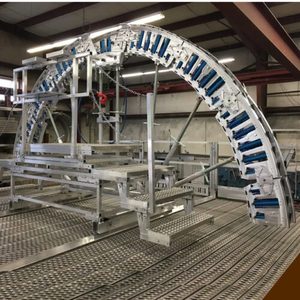 Industrial equipment
 Livestock supplies
 Mining supplies
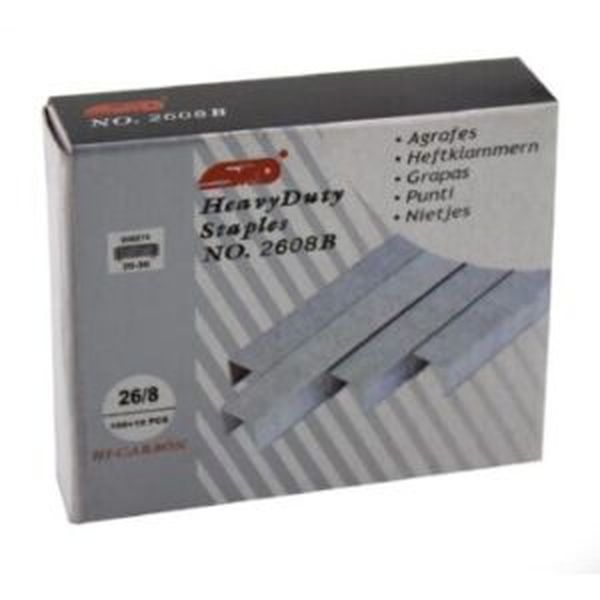 Stationery supplies
 Events and catering equipment
Resilient trade does not stay on ships; it ends up on shelves and floors. With world trade rising in April in a fresh sign of resilience, the property reading is direct: trade stockpiling boosts demand for warehousing and inventory space. When firms move more goods and hold more buffer against uncertainty, that buffer has to be stored somewhere - and storage is property. For Botswana, a resilient trade environment is a quiet driver of demand for the warehousing that sits behind the flow of goods.
The link runs through behaviour. In an uncertain world, firms that can afford to hold inventory do so, trading the cost of storage for protection against disruption. That stockpiling instinct turns resilient trade into occupancy demand. For developers and landlords in Gaborone, Francistown and the logistics nodes between them, the rise in trade is a signal about the space that goods in transit and goods in reserve will need.
Stockpiling as a Property Driver
The first mechanism is the simplest. When trade holds up and firms build buffers, the volume of goods sitting in storage at any moment rises. That stock needs warehousing - and warehousing is a property class with its own economics of location, access and scale. Resilient trade therefore feeds directly into demand for industrial and storage space, and the firms that hold inventory become tenants whether they intend to or not.
This is the first part of the article. The full article is on Cabanga Magazine, from the publishers of the regional business magazines in Africa.
Read the full article on Cabanga Magazine