 Apparel and workwear
 Building supplies
 Medical supplies
 Fitness equipment
 Energy and power
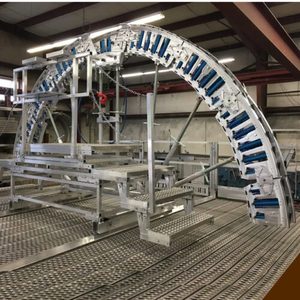 Industrial equipment
 Livestock supplies
 Mining supplies
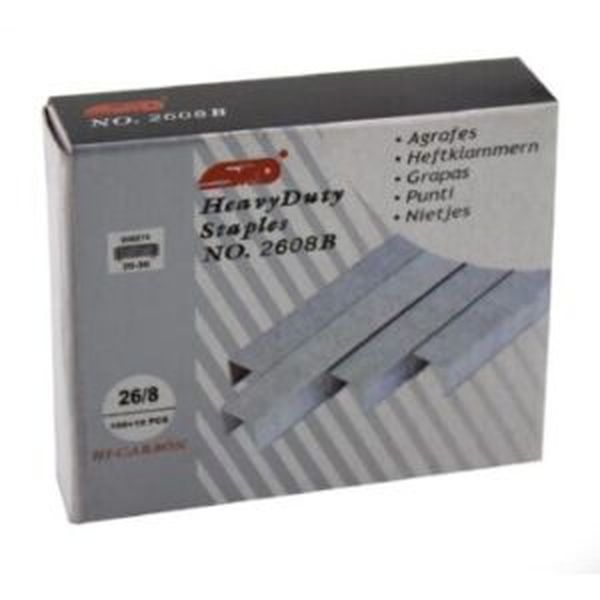 Stationery supplies
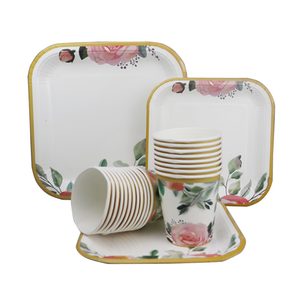 Events and catering equipment
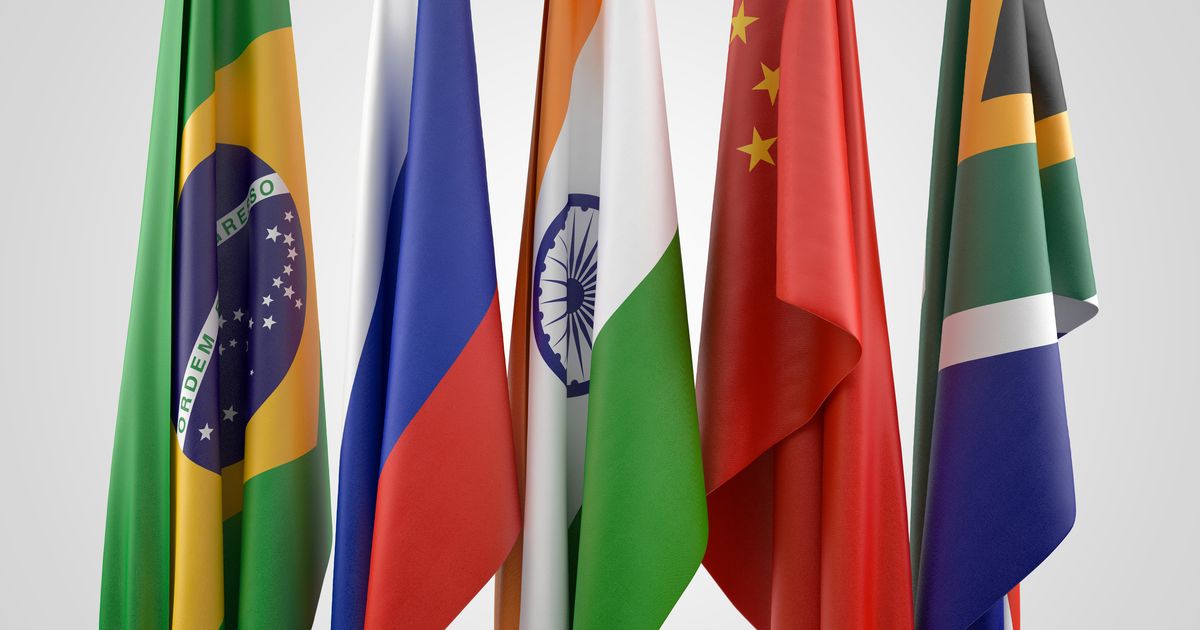
For most of the post-Cold-War era, the global economy had one centre of gravity and everyone else organised around it. The BRICS bloc has spent years arguing it could be a second pole, and for years the figures lagged the rhetoric. They no longer do: intra-BRICS trade has now passed US$1 trillion, and the bloc accounts for roughly 40% of global GDP. For South Africa, the smallest member by economy, that shifts the question from whether the bloc matters to what its own seat is worth.
The Number: A Trillion-Dollar Threshold
A trillion dollars in trade is the point at which a bloc stops being a diplomatic forum and starts being an economic fact. The figure, cited in remarks at the St Petersburg International Economic Forum on 5 June 2026, reframes BRICS from a club of dissatisfied powers into a trading system large enough to set its own terms. Forty percent of global GDP is not a fringe; it is most of the way to a majority.
What sharpens the picture is the composition of that trade. High-technology goods now make up more than a third of BRICS exports — a detail that contradicts the lazy assumption that the bloc is a commodity-and-cheap-manufactures arrangement. A trading system weighted towards high-tech is one moving up the value chain, not selling raw inputs into someone else's. The takeaway: the trillion-dollar mark turns BRICS from a slogan into a market with its own gravitational pull.
This is the first part of the article. The full article is on Cabanga Magazine, from the publishers of the regional business magazines in Africa.
Read the full article on Cabanga Magazine