 Apparel and workwear
 Building supplies
 Medical supplies
 Fitness equipment
 Energy and power
 Industrial equipment
 Livestock supplies
 Mining supplies
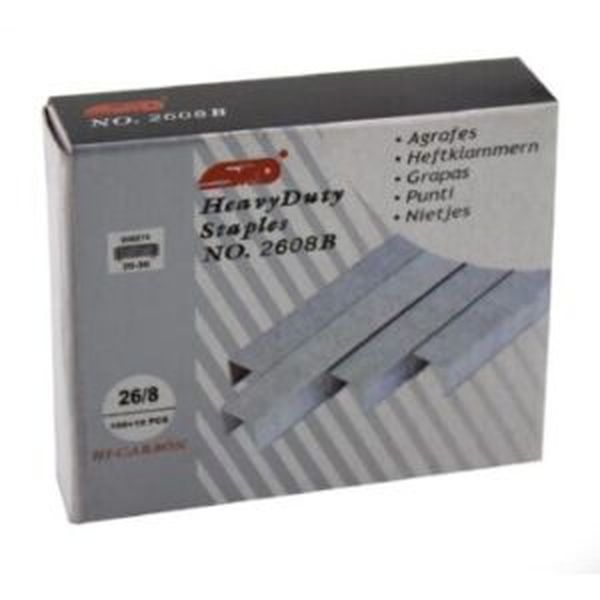 Stationery supplies
 Events and catering equipment
When the world's importers get nervous, they buy early and store the difference, and the bill for storing it lands hardest on those furthest from port. Global firms have stockpiled goods to manage tariff and shipping risk, a defensive move that helped world trade rise in April in a fresh sign of resilience. For landlocked Botswana, the strategy that protects a coastal importer is far costlier to copy.
Stockpiling is insurance against disruption, and like all insurance it has a price. That price is inventory, warehousing and capital tied up in goods sitting on a shelf, and Botswana's geography inflates every line of it. For a country at the end of long inland supply routes, the same defensive move that steadies a coastal economy becomes a meaningfully heavier cost to bear.
Resilience Bought with Inventory
The April rise in trade reflects firms pulling purchases forward to get ahead of tariffs and shipping uncertainty rather than a simple surge in underlying demand. It shows the global system absorbing shocks, but through a method that favours large, well-capitalised companies near major ports.
This is the first part of the article. The full article is on Cabanga Magazine, from the publishers of the regional business magazines in Africa.
Read the full article on Cabanga Magazine