 Apparel and workwear
 Building supplies
 Medical supplies
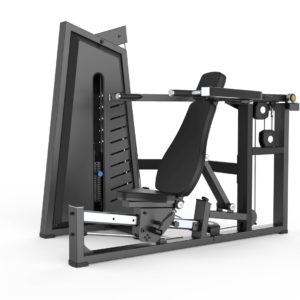 Fitness equipment
 Energy and power
 Industrial equipment
 Livestock supplies
 Mining supplies
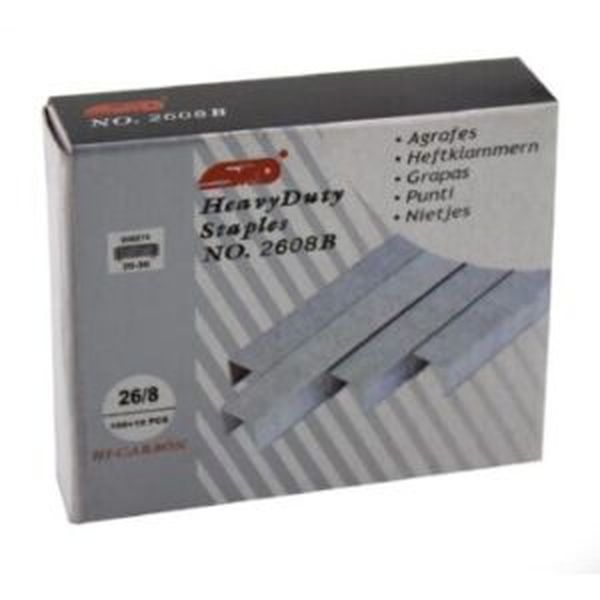 Stationery supplies
 Events and catering equipment

In the bustling realm of e-commerce, both in the Business-to-Consumer (B2C) and Business-to-Business (B2B) sectors, the digital journey a user embarks on significantly impacts a platform's success. As online shopping and business transactions surge, so does the competition. In this saturated market, how can platforms differentiate themselves and retain customers? The answer lies in offering an unparalleled user experience (UX).
UX goes beyond aesthetics; it's about how users interact with a platform, from navigating product listings to completing transactions. An intuitive and seamless UX not only boosts conversions but also fosters loyalty. For e-commerce platforms, especially, understanding and optimizing this experience is non-negotiable.
Why Prioritize UX?
Consider two competing e-commerce platforms. One has a catchy tagline, promising an effortless transition to online selling, while the other emphasizes familiarity and trust. At first glance, both seem compelling. However, if the former platform is riddled with ambiguous pricing structures or an over-complicated dashboard, users are likely to gravitate to the latter, drawn by its established reputation and straightforward interface.
This is the first part of the article. The full article is on Cabanga Magazine, from the publishers of the regional business magazines in Africa.
Read the full article on Cabanga Magazine