 Apparel and workwear
 Building supplies
 Medical supplies
 Fitness equipment
 Energy and power
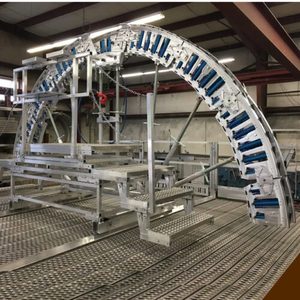 Industrial equipment
 Livestock supplies
 Mining supplies
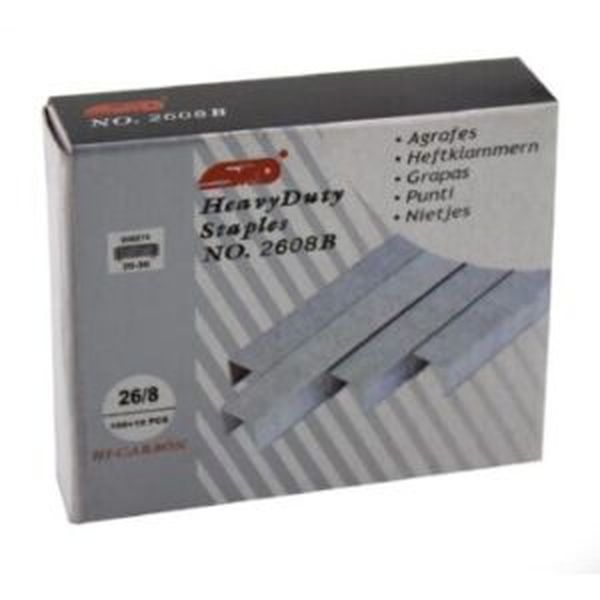 Stationery supplies
 Events and catering equipment
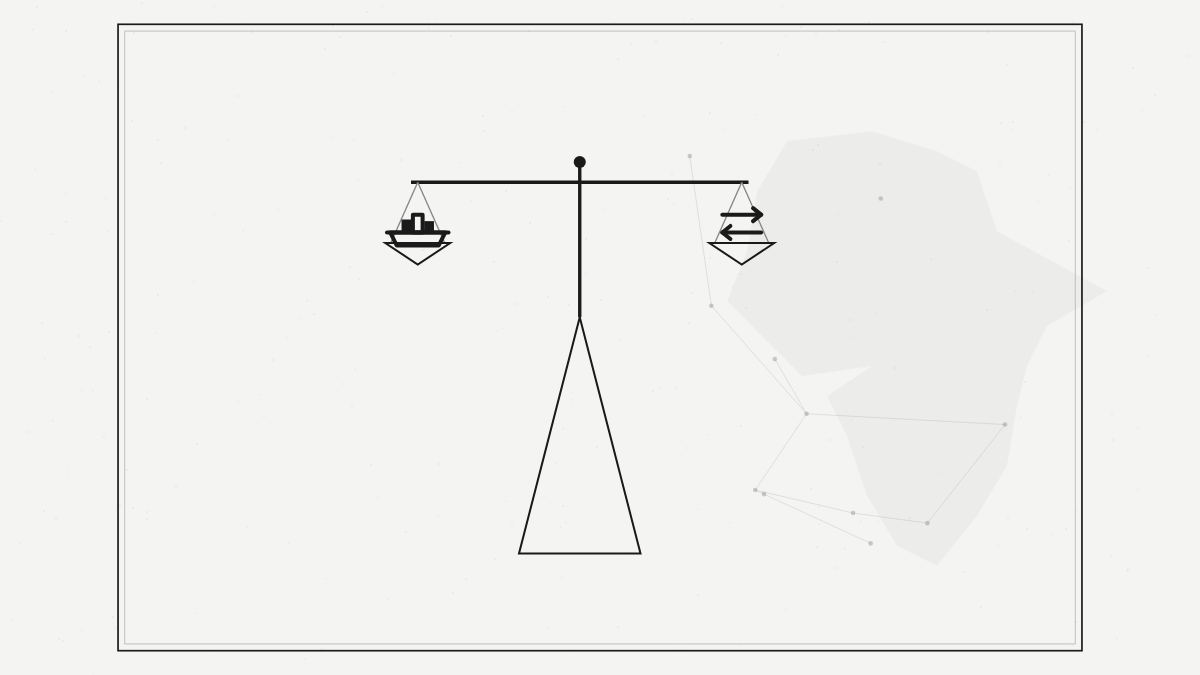
Most Botswana importers price a shipment at the supplier's quote and discover the real number months later, on the floor of the warehouse. The Importer's Risk Guide exists to close that gap. It is a practical Voices guide that walks a buyer through landed cost, currency exposure and shipping risk before the order is placed, not after the invoice lands. The premise is simple: the costs that sink an import are knowable in advance, and a buyer who names them keeps a margin a buyer who hopes does not.
The backdrop is favourable but not simple. World trade rose in April in a fresh sign of resilience, which means goods keep moving and Botswana's import-heavy retail and construction sectors keep their options. Resilient trade is good news for a landlocked buyer, but it does not remove the cost layers between a foreign factory and a Gaborone shelf. The guide reads that resilience as opportunity with conditions attached.
Landed Cost: the Number That Actually Matters
A quoted price is the start of a calculation, not its end. The guide breaks landed cost into its parts: the goods, freight, insurance, duties under SACU rules, clearing, and inland haulage to Gaborone, Francistown or Maun. For a country with no port of its own, the inland leg through South African corridors is often where margin quietly disappears. Naming each line lets a buyer set a selling price that survives the full journey.
This is the first part of the article. The full article is on Cabanga Magazine, from the publishers of the regional business magazines in Africa.
Read the full article on Cabanga Magazine