 Apparel and workwear
 Building supplies
 Medical supplies
 Fitness equipment
 Energy and power
 Industrial equipment
 Livestock supplies
 Mining supplies
 Stationery supplies
 Events and catering equipment
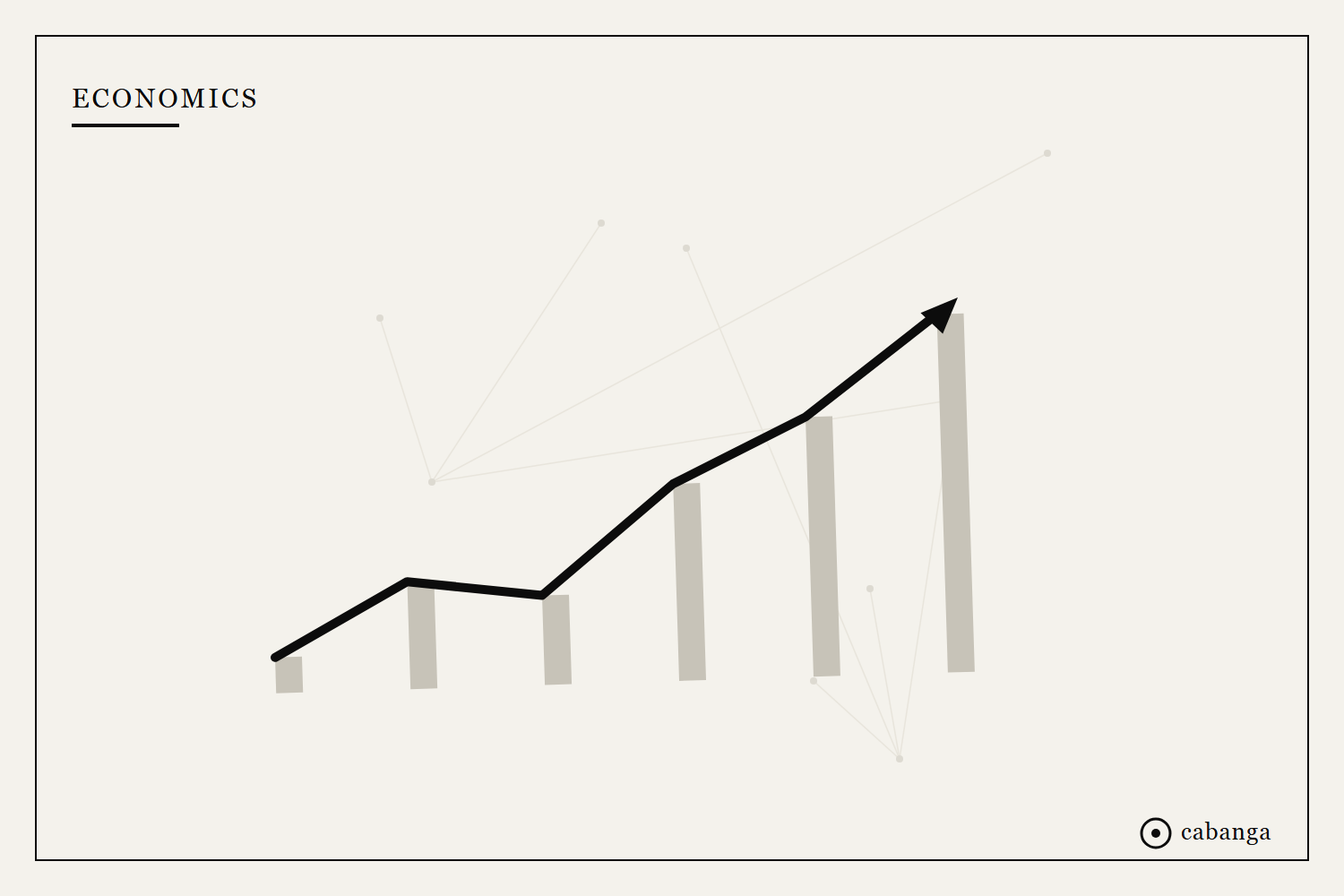
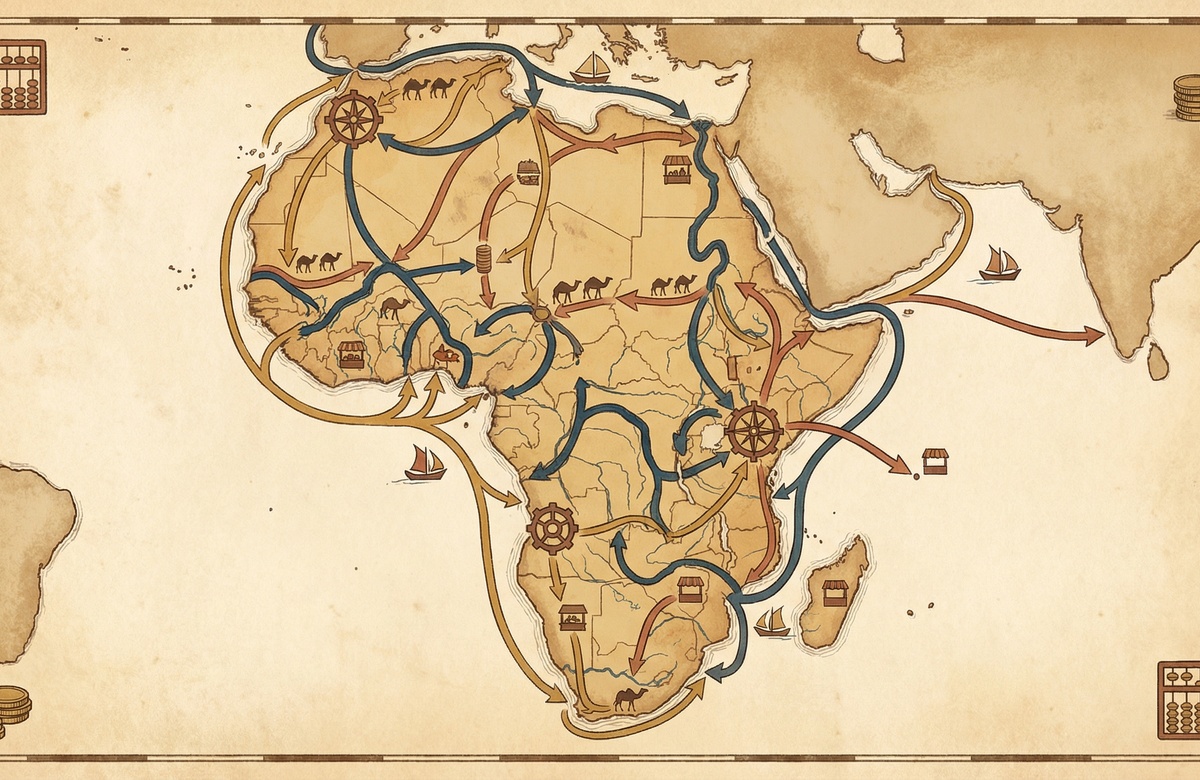
Business Owners in Africa must become concerned with the African Continental Free Trade Area (AfCFTA), especially how they can explore and benefit from its future.
The African Continental Free Trade Area (AfCFTA) is a free trade agreement among countries in Africa that aims to create a single market for goods and services, and facilitate the movement of business persons and investments across the continent.
The AfCFTA is the world’s largest free trade area bringing together the 55 countries of the African Union (AU) and eight (8) Regional Economic Communities (RECs). The overall mandate of the AfCFTA is to create a single continental market with a population of about 1.3 billion people and a combined GDP of approximately US$ 3.4 trillion.
The AfCFTA is one of the flagship projects of Agenda 2063: The Africa We Want, the African Union’s long-term development strategy for transforming the continent into a global powerhouse. The goal of the AfCFTA is to increase trade and investment among African countries, promote economic growth and development, and reduce poverty on the continent.
The African Continental Free Trade Area (AfCFTA) is a comprehensive agreement that covers several key areas, including:
Tariff liberalization: This includes the gradual reduction and eventual elimination of tariffs on goods traded among participating countries.
Non-tariff barriers: The agreement aims to reduce and eliminate non-tariff barriers to trade, such as quotas, licensing requirements, and technical barriers to trade.
Services: The agreement covers trade in services, including the movement of natural persons, such as businesspeople and professionals.
Investment: The agreement promotes and protects foreign investment, including provisions for the protection of property rights and the settlement of disputes.
Intellectual property: The agreement includes provisions for the protection of intellectual property rights, including patents, trademarks, and copyrights.
Competition policy: The agreement includes provisions to promote fair competition and prevent anti-competitive practices.
Customs cooperation: The agreement includes provisions to improve customs cooperation and streamline customs procedures to facilitate trade.
Dispute resolution: The agreement includes mechanisms for the settlement of disputes among participating countries.
Capacity building: The agreement includes provisions to support capacity building and technical assistance to help participating countries fully participate in the AfCFTA.
Monitoring and Review: The agreement includes provisions for the regular monitoring and review of the implementation of the agreement to ensure it is achieving its objectives.
As business owners in Africa, large or small, there things we expect from such an agreement made on our behalf by continental legislators, all hoping that our businesses will grow and become more sustainable as we enter the future of yester year business and economics.
The African Continental Free Trade Area (AfCFTA) agreement is expected to bring several benefits to business owners in African countries, including:
Increased market access: The AfCFTA will create a single market for goods and services, providing business owners with access to a larger market of potential customers and suppliers.
Reduced Trade Costs: The agreement aims to reduce and eliminate tariffs and non-tariff barriers, which should lower the cost of doing business and make it easier for companies to trade with other African countries.
Improved Competitiveness: The agreement aims to promote fair competition and prevent anti-competitive practices, which should help businesses to become more competitive and efficient.
This is the first part of the article. The full article is on Cabanga Magazine, from the publishers of the regional business magazines in Africa.
Read the full article on Cabanga Magazine