 Apparel and workwear
 Building supplies
 Medical supplies
 Fitness equipment
 Energy and power
 Industrial equipment
 Livestock supplies
 Mining supplies
 Stationery supplies
 Events and catering equipment
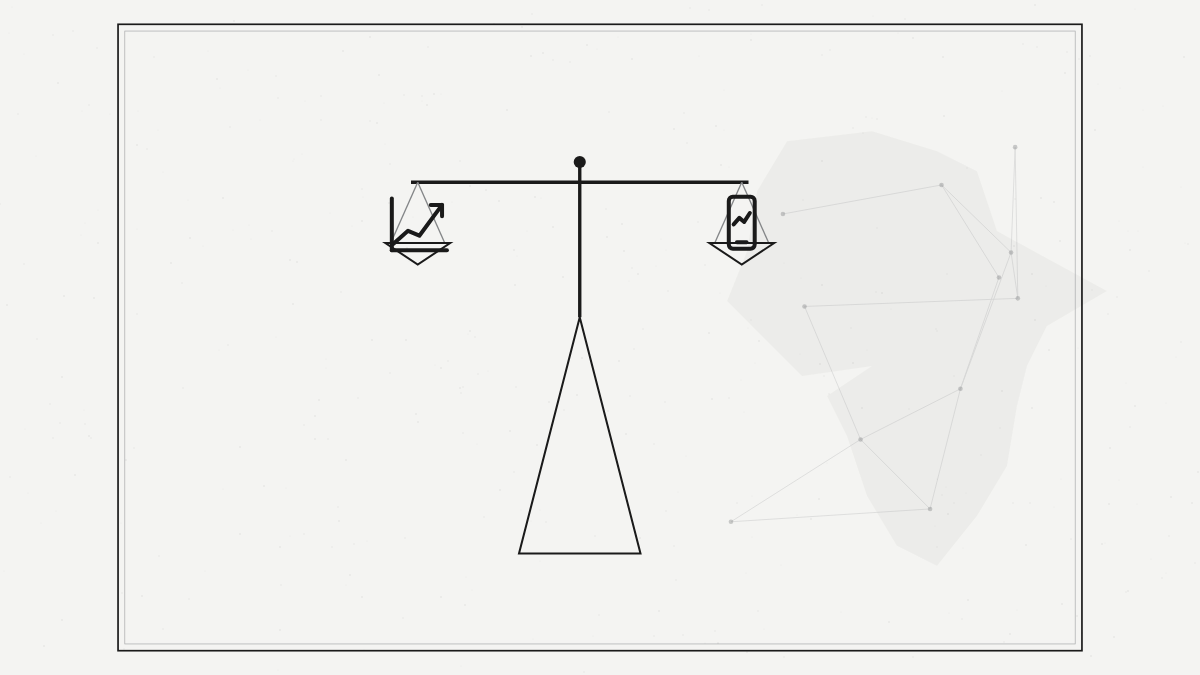
When money moves more slowly through an economy, the bill for the delay is rarely paid by the largest player. Slower growth and public-deficit pressure tighten payment cycles, and that tightening passes down the supply chain until it reaches the businesses least able to absorb it. The 2026 budget's rebound projection acknowledges the same fiscal strain that lengthens the gap between work done and cash received.
A payment cycle is invisible when it runs smoothly and ruinous when it does not. The firms that survive a slow one are not always the most productive; often they are simply the ones with the deepest reserves, which is a poor way to decide who stays in business.
How the Squeeze Travels
A government department that pays late forces its main contractor to pay its subcontractors late, who in turn delay their suppliers. By the time the delay reaches a small Gaborone or Francistown enterprise, it has compounded - and that firm may have a fortnight of cash, not a quarter. The supplier-credit squeeze is a chain reaction, and the last link snaps first because it has the least slack to give.
This is the first part of the article. The full article is on Cabanga Magazine, from the publishers of the regional business magazines in Africa.
Read the full article on Cabanga Magazine