 Apparel and workwear
 Building supplies
 Medical supplies
 Fitness equipment
 Energy and power
 Industrial equipment
 Livestock supplies
 Mining supplies
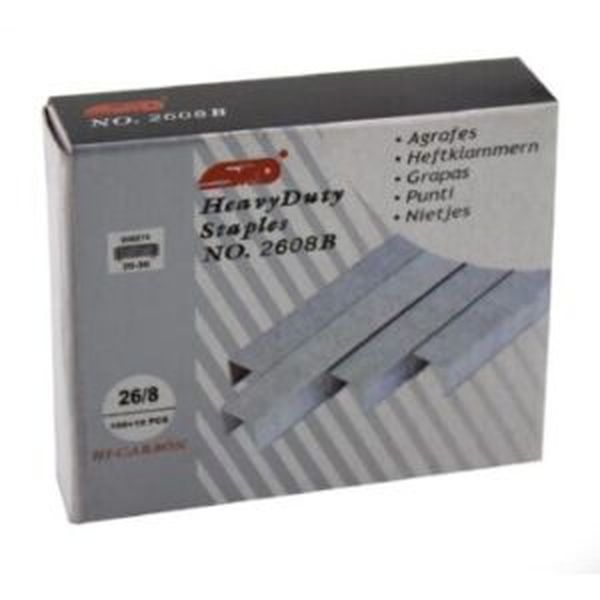 Stationery supplies
 Events and catering equipment
The further the global trading system drifts toward unpredictability, the closer the neighbours have to stand. As major trade routes grew less reliable, regional cooperation gained importance - and for Botswana, a landlocked country whose every export crosses someone else's border, that logic is not idealism but logistics. SADC is the system through which its goods reach the world, and there is no alternative route around it.
Regional integration answers a problem Botswana cannot solve alone: it has no coastline. Ports in South Africa, Namibia and Mozambique are its access to global markets, and the rail and road that reach them run through SADC. When distant routes wobble, the regional ones become the dependable part of the chain - the segment Botswana can influence rather than merely endure.
Why Regional Ties Gain Value When Global Ones Fray
The resilience data tells part of the story. Even as global trade rose in April in a sign of durability, the unpredictability of long-haul routes made the nearer, governable ones more valuable. A trade link you can influence is worth more than one you can only hope holds, and proximity is a form of control that distance cannot offer.
This is the first part of the article. The full article is on Cabanga Magazine, from the publishers of the regional business magazines in Africa.
Read the full article on Cabanga Magazine