 Apparel and workwear
 Building supplies
 Medical supplies
 Fitness equipment
 Energy and power
 Industrial equipment
 Livestock supplies
 Mining supplies
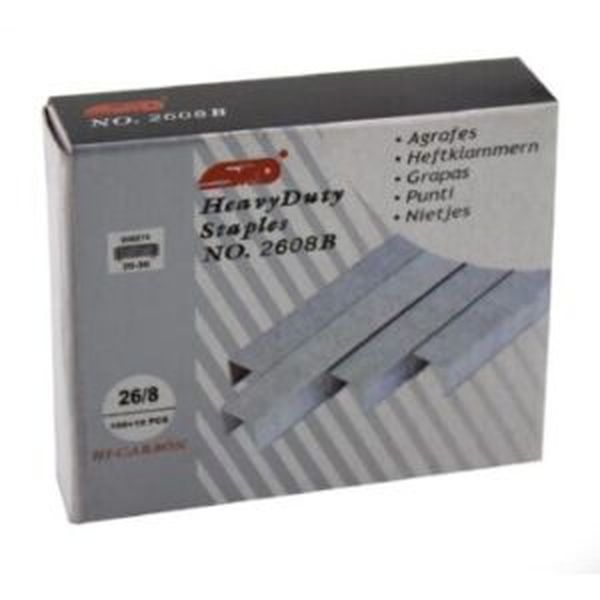 Stationery supplies
 Events and catering equipment
A truck carrying finished goods from Durban to Lubumbashi crosses at least four national borders and, on paper, is meant to be covered by a single regional trade regime. In practice, exporters along the corridor have long had to post separate customs bonds at each frontier, tying up working capital and slowing cargo that the Southern African Development Community's own protocols say should move freely. That contradiction is the starting point for the region's newest piece of trade-facilitation machinery.
SADC is piloting and rolling out a Regional Customs Transit Guarantee (RCTG) along the North-South Corridor, the road and rail spine that runs from Durban through Johannesburg, Botswana and Zimbabwe to Zambia, the Democratic Republic of Congo and Malawi. The instrument is designed to let a single guarantee cover goods in transit across multiple jurisdictions, replacing the patchwork of national bonds that has made cross-border trade along the corridor more expensive than the distance alone would justify.
The commercial logic is straightforward: if a single guarantee is genuinely recognised at every border post on the corridor, the effective size of the market available to a manufacturer or trader based in any one SADC state expands to cover the seven economies the corridor touches. Whether that logic holds in practice is the question this piece tests.
The Mechanism Behind the Pilot
The RCTG sits within the SADC Regional Customs Transit Guarantee Regulations, developed to align with the World Trade Organisation's Trade Facilitation Agreement. Customs authorities in Botswana, South Africa, Zimbabwe, Mozambique, Zambia, the DRC and Malawi are the named implementers, working with the SADC Secretariat and with technical and financial support from the European Union under the bloc's wider Trade Facilitation Programme. The mechanism is deliberately narrow in scope: it addresses the guarantee that accompanies goods in transit under customs seal, not tariffs or rules of origin, which remain governed separately under the SADC Protocol on Trade.
This is the first part of the article. The full article is on Cabanga Magazine, from the publishers of the regional business magazines in Africa.
Read the full article on Cabanga Magazine