 Apparel and workwear
 Building supplies
 Medical supplies
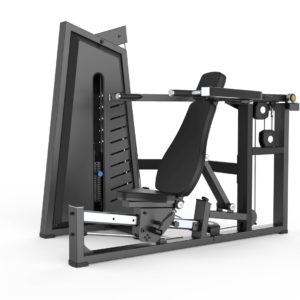 Fitness equipment
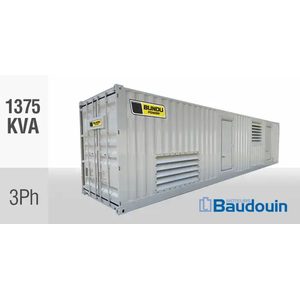 Energy and power
 Industrial equipment
 Livestock supplies
 Mining supplies
 Stationery supplies
 Events and catering equipment
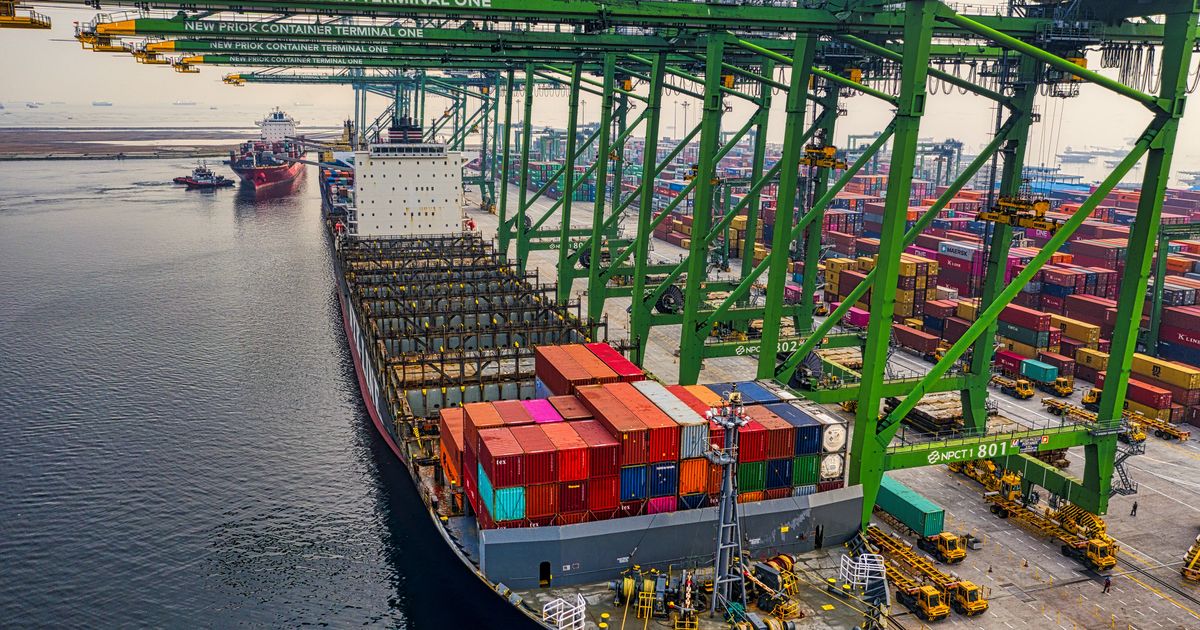
A port is the most visible kind of progress - cranes, container stacks, a deepwater berth where shallow water used to be. China's foreign ministry counts close to 100 ports built or upgraded on the continent since 2000, alongside more than 10,000 km of railway and nearly 100,000 km of highway. The harder test is not how many quays exist but what flows across them - and in which direction. A gateway that mostly lands imports is a different economic object from one that lifts African exports into the world, and the difference does not show up in a ribbon-cutting photograph.
The Build-Out: Quays, Terminals and a Corridor Logic
Beijing's account names the Doraleh Multi-Purpose Port in Djibouti and the Lome Container Terminal in Togo, the latter credited with increasing entrepot trade, as completed gateways. According to the same white paper, Chinese companies accounted for 31.4 per cent of all infrastructure projects on the continent in 2020, and total infrastructure investment in Africa between 2016 and 2020 reached almost US$200 billion. The framing is a system: ports feed railways, railways feed inland markets.
This is the first part of the article. The full article is on Cabanga Magazine, from the publishers of the regional business magazines in Africa.
Read the full article on Cabanga Magazine