 Apparel and workwear
 Building supplies
 Medical supplies
 Fitness equipment
 Energy and power
 Industrial equipment
 Livestock supplies
 Mining supplies
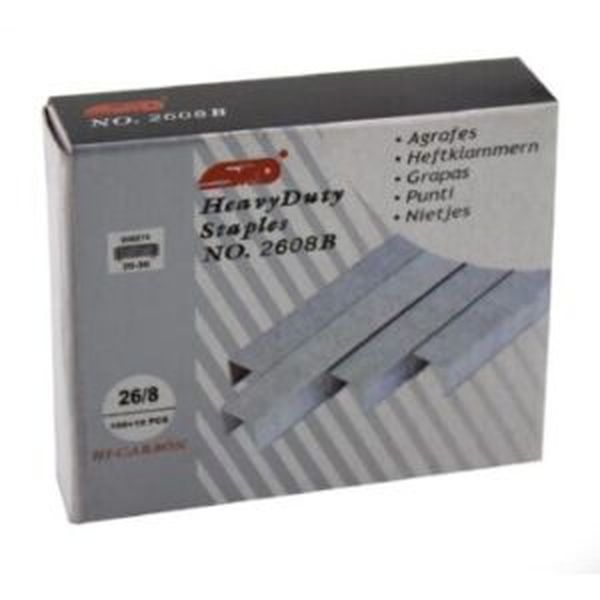 Stationery supplies
 Events and catering equipment
The consumer standing in a shop in Lusaka or Lubumbashi rarely thinks about a border post. Yet the price on the shelf, and whether the product is there at all, is partly a function of how long it sat at Kasumbalesa, Chirundu or Beitbridge before it reached the retailer. On 7 February 2025, SADC's Secretariat launched, in Harare, the Report of the Time Release Study (TRS) covering the North-South Corridor from Durban's port to the Zambia-DRC border — a customs and logistics exercise on its face, but one whose real test is whether it ever shows up as a visible improvement for the ordinary regional consumer.
The contradiction worth naming is that regional integration is usually sold to the public in terms of jobs and growth, rarely in terms of price and shelf availability, even though those are the terms consumers actually experience. A corridor that clears goods faster and more predictably should, in principle, mean fewer stockouts, less spoilage of perishable imports, and lower landed cost passed through to price. Whether the TRS delivers that in practice is the open question this launch raises rather than answers.
Why Border Delay Is a Consumer Issue, Not Just a Logistics One
Goods moving along the North-South Corridor — from Durban's port through Beitbridge into Zimbabwe, on to Chirundu into Zambia, and further to Kasumbalesa at the DRC border — include everything from packaged food and pharmaceuticals to consumer electronics and building materials destined for retail markets across four countries. Every additional day a shipment spends clearing customs is a day of warehousing cost, spoilage risk for perishables, and working capital tied up that a retailer or distributor ultimately prices into the shelf tag.
This is the first part of the article. The full article is on Cabanga Magazine, from the publishers of the regional business magazines in Africa.
Read the full article on Cabanga Magazine