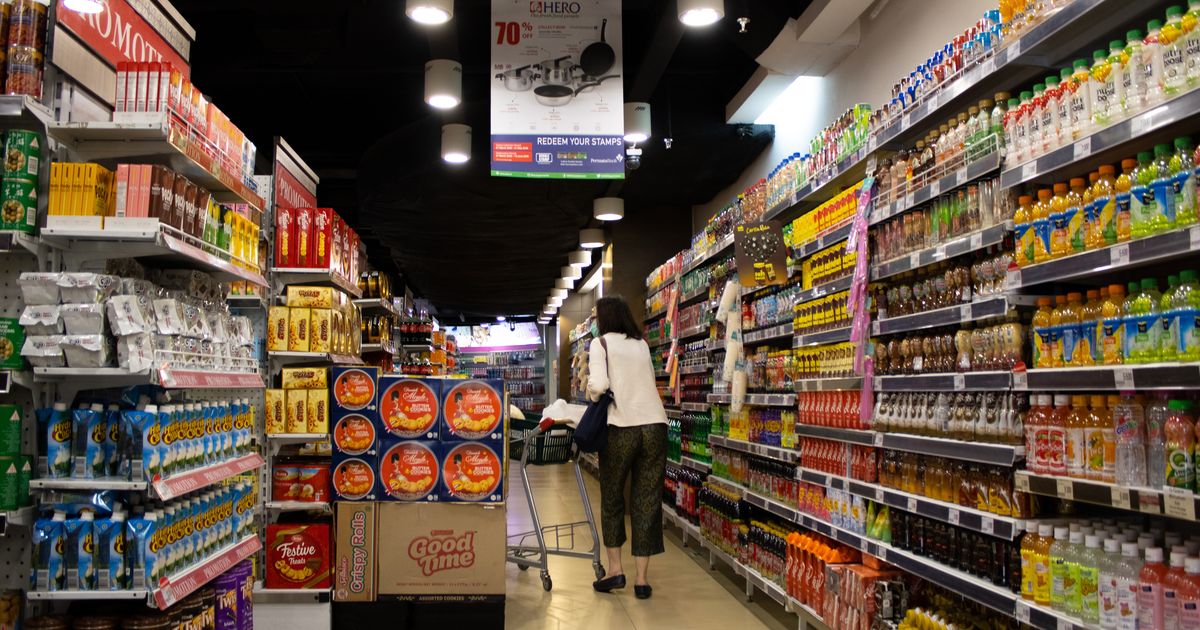
 Apparel and workwear
 Building supplies
 Medical supplies
 Fitness equipment
 Energy and power
 Industrial equipment
 Livestock supplies
 Mining supplies
 Stationery supplies
 Events and catering equipment
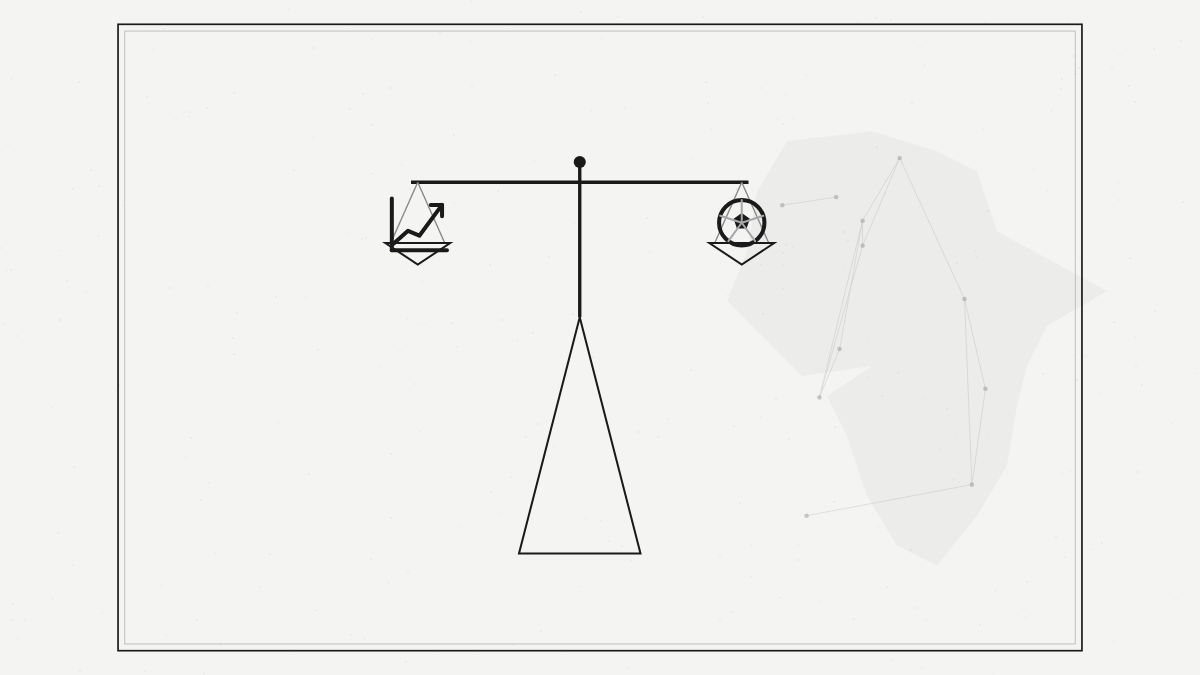
Botswana produces no crude, yet almost every price a household pays is quietly indexed to a barrel it never sees. When global physical crude markets wobble on Middle East supply shifts, the disturbance does not stop at the refinery gate. It travels down the supply chain as freight, as fuel levies, as the cost of moving a loaf of bread from a depot to a shelf in Maun. The recent disruptions raised transport costs and, just as importantly, price anxiety - the expectation of higher prices that changes behaviour before the higher prices even arrive.
For a landlocked economy that imports most of its refined fuel overland, this is not an abstract market story. The barrel is priced in dollars on a market Botswana cannot influence, then carried into the country along roads that add cost with every kilometre. By the time the price reaches a forecourt in Gaborone or a generator in a Kasane lodge, it has been translated into Pula, freight and risk. It is a consumer story, and it begins at the pump.
This is the first part of the article. The full article is on Cabanga Magazine, from the publishers of the regional business magazines in Africa.
Read the full article on Cabanga Magazine