 Apparel and workwear
 Building supplies
 Medical supplies
 Fitness equipment
 Energy and power
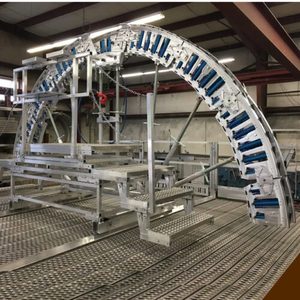 Industrial equipment
 Livestock supplies
 Mining supplies
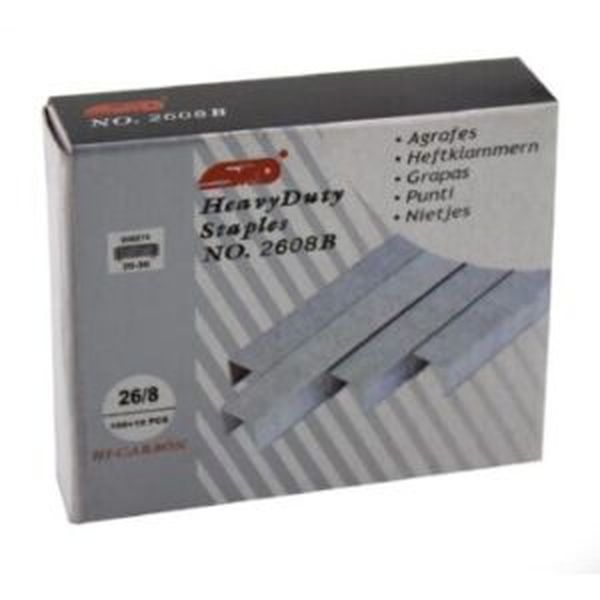 Stationery supplies
 Events and catering equipment
A country that imports all of its fuel imports all of its fuel shocks. Disruptions to Middle East supply demonstrated how quickly oil markets can feed into African inflation - a chain that runs from a distant strait to the pump price in Gaborone within weeks. For Botswana, which produces no oil of its own, the only line of defence is the policy it controls at home.
The transmission is mechanical. Higher crude lifts fuel prices, fuel feeds transport and food costs, and a landlocked economy that trucks in its goods pays the premium twice - once at the pump and once in the freight on everything else. An oil shock abroad becomes a cost-of-living shock at home with very little lag, and very little that the country can do to stop it forming.
How Fast the Shock Travels
The market signals were mixed but instructive. Even as physical crude markets sat in discounts with the Middle East ramping up supply, the episode showed how sensitive prices remain to disruption - and how exposed importers are when sentiment turns. Discounts today do not insure against shocks tomorrow, and a market that is calm one month can reprice sharply the next.
This is the first part of the article. The full article is on Cabanga Magazine, from the publishers of the regional business magazines in Africa.
Read the full article on Cabanga Magazine