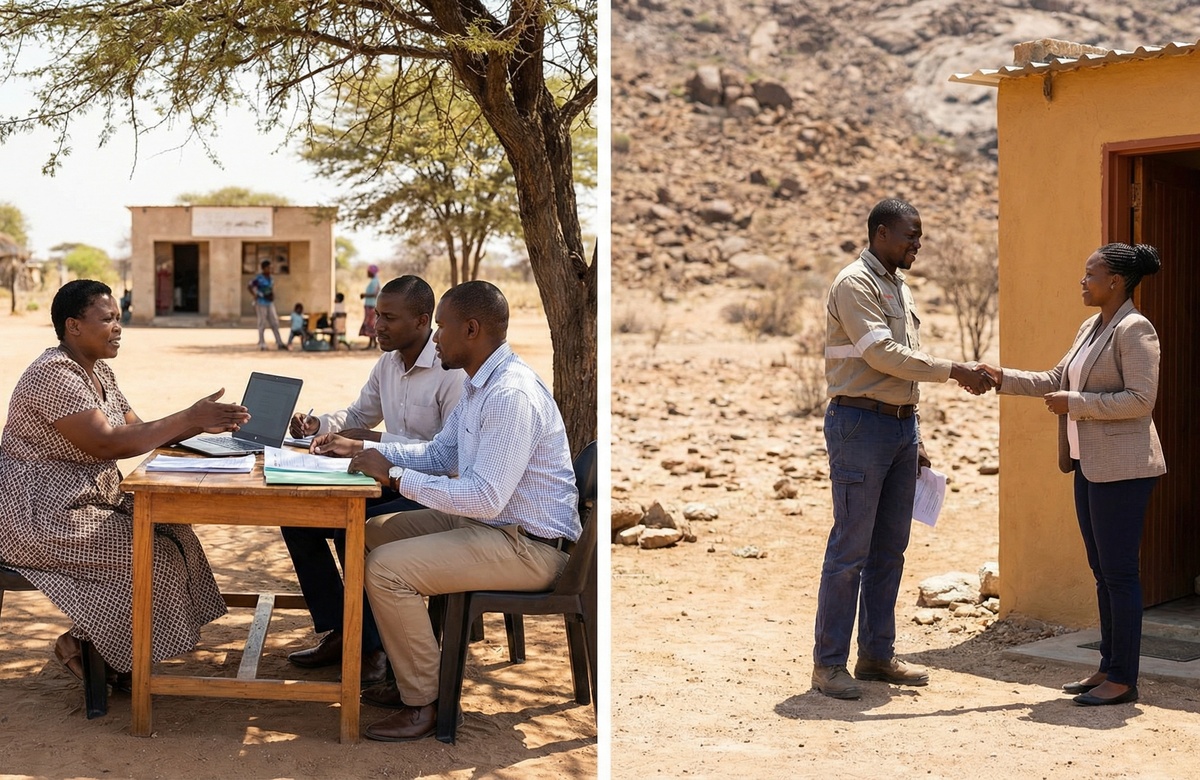
 Apparel and workwear
 Building supplies
 Medical supplies
 Fitness equipment
 Energy and power
 Industrial equipment
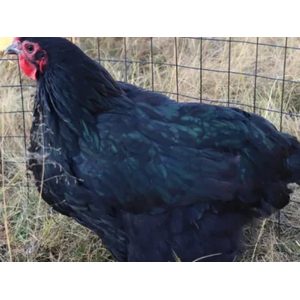 Livestock supplies
 Mining supplies
 Stationery supplies
 Events and catering equipment

Botswana imports much of what it eats, and a dry year exposes how thin that arrangement can be. In June 2026, councils responded close to the ground, rolling out cooperative farming schemes and community gardens to mitigate drought and import dependence amid rising food insecurity. The move is notable for its level. National food strategy usually lives in ministries and import accounts; this is local government putting plots, shared inputs and pooled labour where households actually are.
It is a smaller lever than trade policy, but it is one councils can pull without waiting for a national programme to mobilise. That immediacy is the point of a council-led response: when the rains fail and prices climb, the body closest to the affected ward can act on a timescale a central ministry rarely matches.
The Pressure: Drought and the Import Bill
Two forces are named together for a reason. Drought reduces what the country can grow, which deepens reliance on imports, which exposes households to prices set outside Botswana's borders - largely across the South African border, through the same SACU supply chains that feed most local shelves. When the regional harvest is poor or the rand moves, that exposure is felt directly in Gaborone and Francistown kitchens. A semi-arid country with limited arable land is structurally short on the buffer that food self-sufficiency provides.
This is the first part of the article. The full article is on Cabanga Magazine, from the publishers of the regional business magazines in Africa.
Read the full article on Cabanga Magazine