 Apparel and workwear
 Building supplies
 Medical supplies
 Fitness equipment
 Energy and power
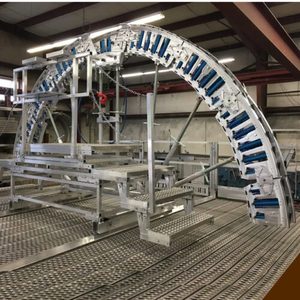 Industrial equipment
 Livestock supplies
 Mining supplies
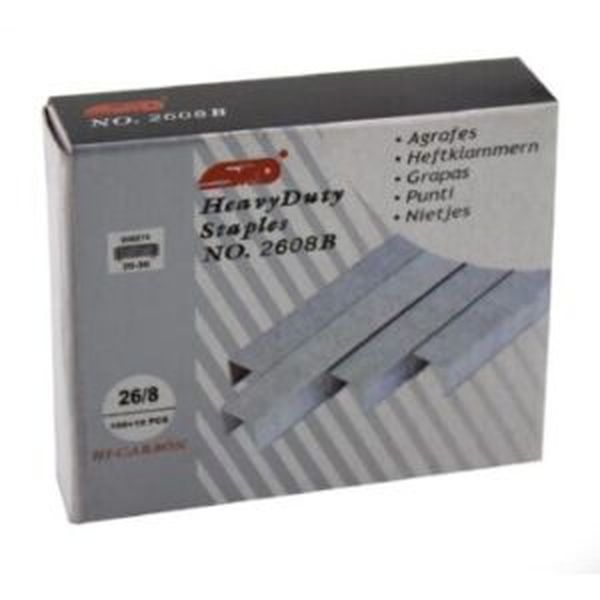 Stationery supplies
 Events and catering equipment
Botswana has spent decades importing the most basic material of construction. Cement - the grey powder behind every road, dam and warehouse - has largely come from beyond its borders, a quiet dependency in a country that wants to build its own industrial base. Cheetah Cement's April 2026 announcement is a direct answer to that gap.
The company's planned 19-hectare, dry-process plant is designed to produce 800,000 tonnes of cement a year using fly-ash and nickel slag, cutting imports and creating about 515 jobs. It is a project that turns waste streams into building material and an import bill into domestic capacity - the rare diversification story that is physical, measurable and already under way.
The Dependency: Importing the Ground Floor
Cement is bulky, heavy and expensive to transport, which makes import dependence costly in exactly the input a developing economy uses most. Every tonne brought across a border carries freight and currency risk on top of its price. For a country pursuing industrialisation, importing the literal foundation of construction is a structural disadvantage, not a detail.
For a landlocked economy the penalty compounds. Cement reaching Botswana has typically travelled long distances by road from regional producers, with transport sometimes rivalling the cost of the product itself. Every public road, dam and housing project has therefore carried an embedded import premium. Producing at scale inside the country attacks that premium directly, and in a sector - construction - that the state leans on heavily to deliver infrastructure and stimulate the wider economy. Cheaper domestic cement quietly improves the economics of every project the country builds.
A nation that imports its cement subsidises someone else's industrial base.
This is the first part of the article. The full article is on Cabanga Magazine, from the publishers of the regional business magazines in Africa.
Read the full article on Cabanga Magazine