 Apparel and workwear
 Building supplies
 Medical supplies
 Fitness equipment
 Energy and power
 Industrial equipment
 Livestock supplies
 Mining supplies
 Stationery supplies
 Events and catering equipment
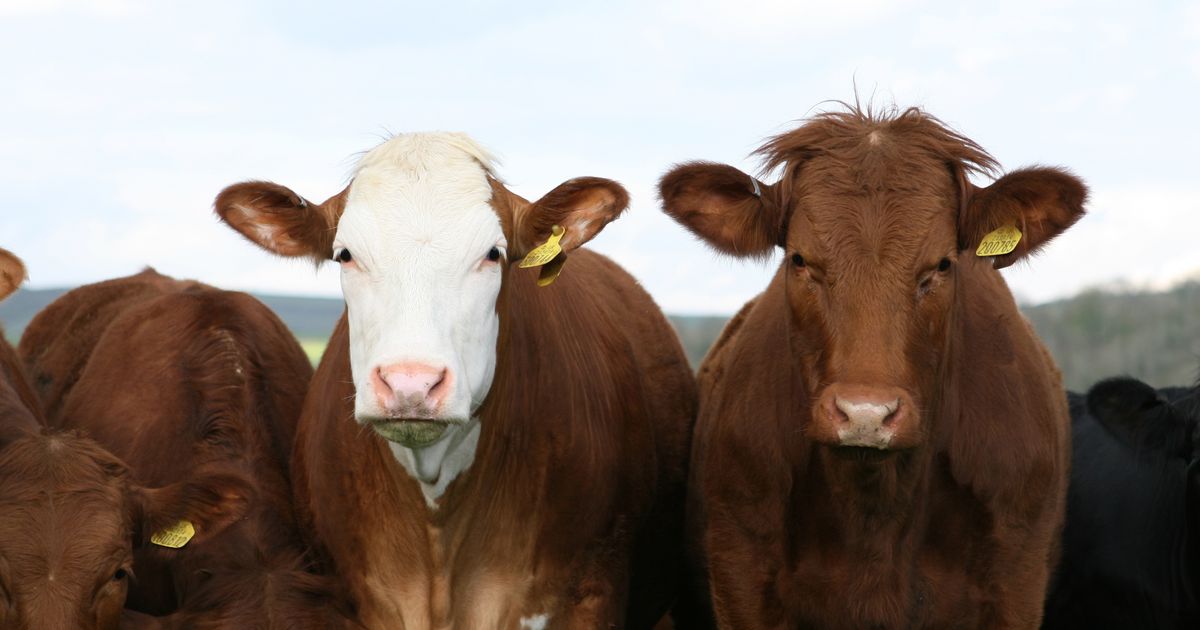
Botswana's access to the premium EU beef market does not rest on the quality of its cattle alone; it rests on a disease line drawn across the veld. In April 2024, livestock producers near the South African border urged the government to build a 200 km fence to block cross-border foot-and-mouth transmission and protect those exports.
The demand is narrow and the stake is wide. A single foot-and-mouth incursion can close the EU door for an entire zone, and the producers' request treats a physical barrier as the cheapest insurance against losing a market that pays a premium for disease-free beef. The fence is small infrastructure standing in for a large piece of trade policy.
The Line: Why Zoning Decides Market Access
The European market buys beef on the basis of foot-and-mouth status, which is managed by zone rather than by individual herd. A country or region certified free of the disease without vaccination commands access and price; a confirmed outbreak suspends that status across the affected zone until the area can re-qualify. The fence the producers want is, in effect, a tool for defending a certification, and the certification is what the premium is paid for.
This is the first part of the article. The full article is on Cabanga Magazine, from the publishers of the regional business magazines in Africa.
Read the full article on Cabanga Magazine