 Apparel and workwear
 Building supplies
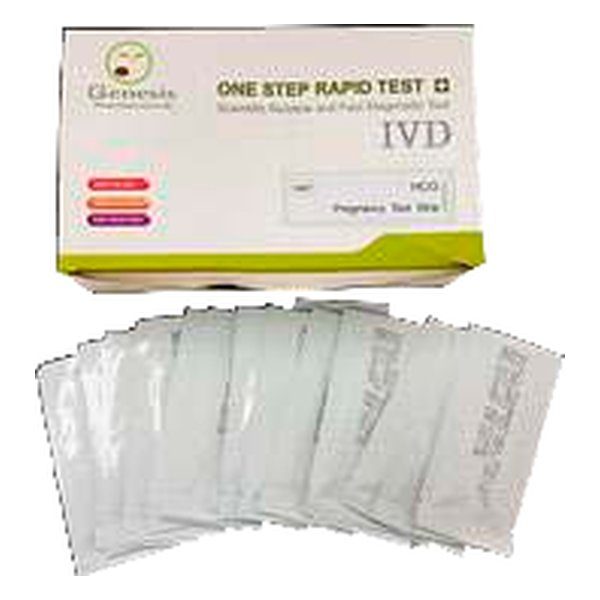 Medical supplies
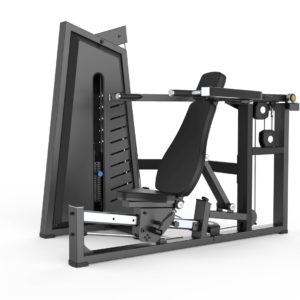 Fitness equipment
 Energy and power
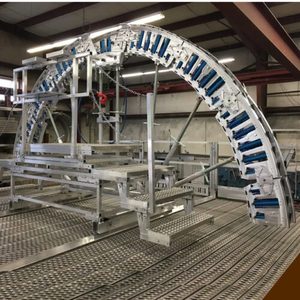 Industrial equipment
 Livestock supplies
 Mining supplies
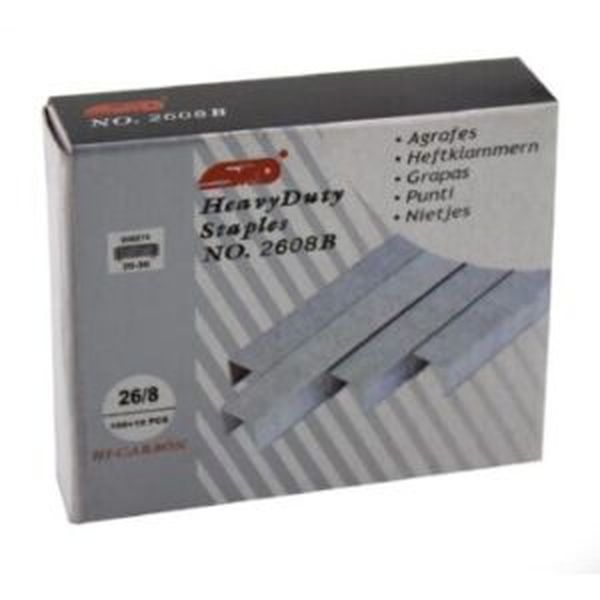 Stationery supplies
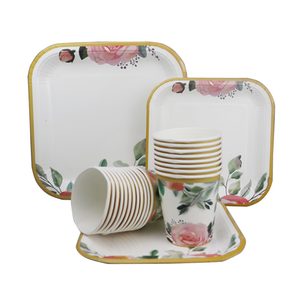 Events and catering equipment
A shopper in Bulawayo browsing an online retailer's cross-border delivery estimate, or a family in Musina buying maize meal that crossed the border that morning, rarely thinks about customs coordination. Yet the contradiction sits precisely there: SADC's 24-25 July 2025 assessment of Beitbridge is framed in institutional language, protocols, coordinated management, trusted-trader status, while its real test is whether ordinary consumers on both sides of the Limpopo actually notice a difference in price, choice or delivery time.
That is the demand-side question this assessment raises but does not yet answer, and it is the question that determines whether this remains a customs story or becomes a household one.
What a Faster Border Should Mean for Shelf Prices
Every hour a consignment spends at a border post is a cost eventually passed, in part, to the consumer at the till. Beitbridge, carrying more than 300 trucks a day, is the single busiest overland gateway between South African retail supply chains and the Zimbabwean market beyond it. SADC's assessment credits the post's Coordinated Border Management model, operated through South Africa's Border Management Authority since 2023, with improving throughput.
In principle, faster and more predictable clearance reduces the inventory-holding cost built into landed prices, which retailers can either bank as margin or pass on as lower shelf prices. The assessment itself offers no consumer-facing price data, so the pass-through effect remains a plausible inference rather than a documented outcome, and one that will only be settled by future retail reporting, not by this communiqué.
This is the first part of the article. The full article is on Cabanga Magazine, from the publishers of the regional business magazines in Africa.
Read the full article on Cabanga Magazine