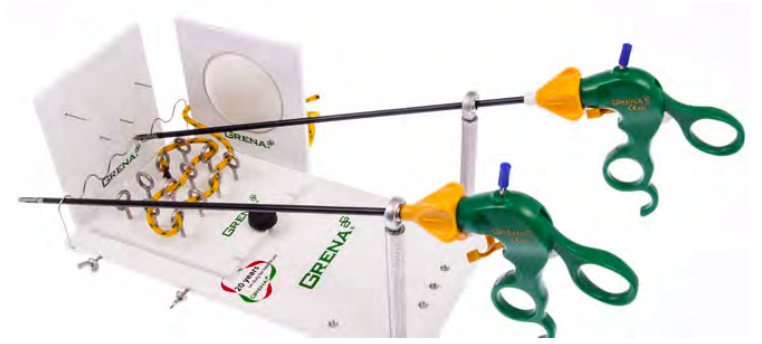
 Apparel and workwear
 Building supplies
 Medical supplies
 Fitness equipment
 Energy and power
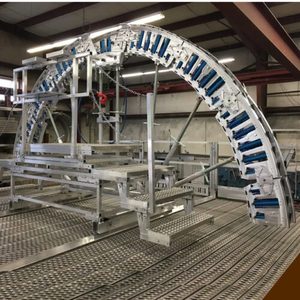 Industrial equipment
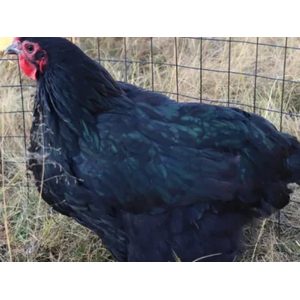 Livestock supplies
 Mining supplies
 Stationery supplies
 Events and catering equipment
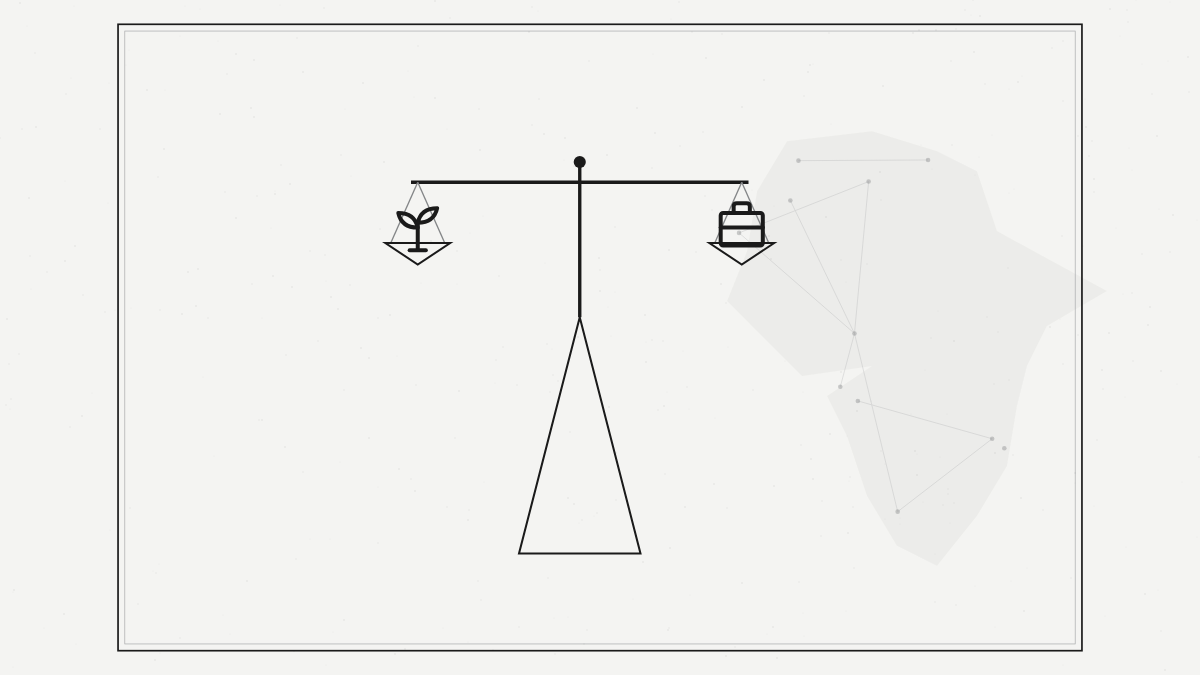
A country can mine wealth and still import its dinner. That contradiction sat heavily on Botswana's agribusiness operators this year as farmers and processors faced input-cost and food-security pressure at once, caught between what it costs to produce and what households can afford to pay. The squeeze came from both directions simultaneously, leaving little room to pass costs forward or absorb them quietly.
The pressure was visible in the global gauge. The FAO Food Price Index tracks the world cost of food commodities, and for an economy that imports a large share of what it eats, that index is not a distant statistic. It is a forward look at the till. When it stays elevated, Botswana feels it on the shelf within a season, in the price of bread, oil and the staples that fill a household basket. For a family in Francistown, a number set in a global commodity market becomes, a few weeks later, a harder choice at the checkout, and the agribusiness operator sits squarely in that transmission line.
Input Costs Squeeze from the Back
Every farmer is also a buyer of feed, fertiliser, fuel and seed, much of it imported and priced abroad. When those inputs rise, the squeeze comes before the harvest is even sold. Operators with thin margins discover that a good growing season can still end in a bad financial one, because the cost of producing the crop climbed faster than the price it could fetch at market.
This is the first part of the article. The full article is on Cabanga Magazine, from the publishers of the regional business magazines in Africa.
Read the full article on Cabanga Magazine