 Apparel and workwear
 Building supplies
 Medical supplies
 Fitness equipment
 Energy and power
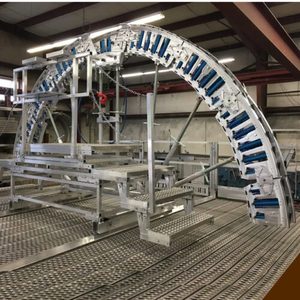 Industrial equipment
 Livestock supplies
 Mining supplies
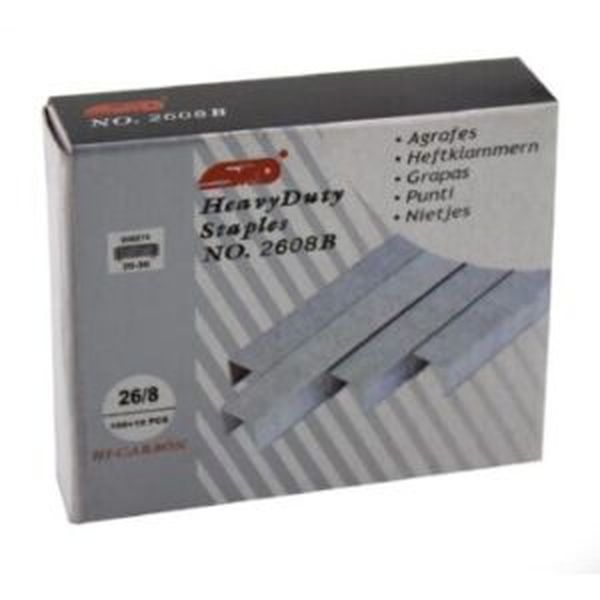 Stationery supplies
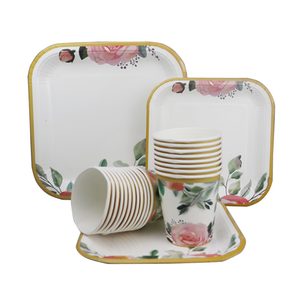 Events and catering equipment
Mixing a detergent that cleans well is the easy part. Turning it into something a shop can lawfully sell is a different job, and skipping the steps in between is why so many promising township products never leave the yard they are made in. The distance from a working formula to a compliant product on a shelf is a staged path, and each stage is a place a business either builds credibility or loses it.
South Africa has decided the barriers are real enough to build public infrastructure around them. In KwaZulu-Natal, the provincial government's Detergents Shared Manufacturing programme, launched in 2016, has spent more than R100 million on accredited shared production facilities in townships so that small manufacturers can make product to standard without each buying their own plant. When provincial lawmakers went to inspect one such facility at eSikhaleni, as the Zululand Observer reported in 2026, portfolio committee chairperson Mafika Sangweni said the facilities "have the potential to open significant business and job opportunities for large numbers of people if they are run well." The qualifier - if they are run well - is the whole story, and it applies to the individual manufacturer as much as to the facility.
The six steps below run in order for a reason: each one depends on the decisions made in the one before, and a manufacturer who jumps ahead usually ends up redoing the work when a buyer asks a question the product cannot answer. Treated as a sequence rather than a scramble, they turn a good formula into a business a shop can rely on.
This is the first part of the article. The full article is on Cabanga Magazine, from the publishers of the regional business magazines in Africa.
Read the full article on Cabanga Magazine